





Health & Education
We all want the best care possible for our horses. The Heath & Education section covers both Learning Institutions, Organizations as well as many sources for equine assistance including Veterinarians and Farriers.
For those who want a to formally study horses, the Education section includes College Riding, Equine Studies, and Veterinary Schools. Learn about the wide variety of horses in the Horse Breeds section. Supplements and Treatments Therapy are also included in the section.
Everyone can learn from Fine Art and there are some specialty Museums that might surprise you.
Horses as a therapy partner enrich the lives of the disabled. These facilities are listed in our Therapeutic Riding section. To help children and young adults build confidence and grow emotionally, please see the resources available on the Youth Outreach page.
Looking for a place to keep your horse? You can find it in the Horse Boarding section. Traveling? Find a Shipping company or Horse Sitting service if your horse is staying home!
Want to stay up to date with the latest training clinics or professional conferences? Take a look at our Calendar of Events for Health & Education for the dates and locations of upcoming events.
Do we need to add more? Please use the useful feedback link and let us know!
Julie Goodnight will demonstrate on how to properly adjust the Rope Halter This is a educational and safety video brought to you by the Certified Horsemanship Association (CHA) For more information on the largest certifying body of riding instructors and barn managers in North America, Certified Horsemanship Association, please visit www.CHA.horse. To find a certified equine professional or accredited equine facility near you, visit www.CHA.horse
Read more: Rope Halter Safety and Adjustment with Julie Goodnight
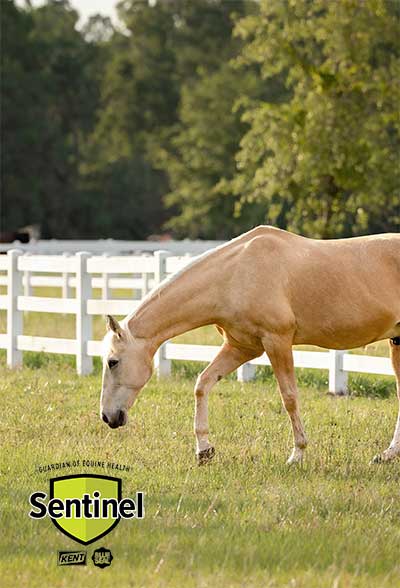
We've all encountered this as horse owners, the "easy" and "hard" keeper. Feeding horses can be a complex endeavor, and the challenges are particularly pronounced when dealing with "easy keepers" (those who gain weight readily) and "hard keepers" (those who struggle to maintain weight). Both extremes require careful management to ensure optimal health and prevent serious health issues.
Sentinel Horse Nutrition offers expert guidance in their eBook "Helping All Horses Live Healthier Lives". Read the excerpt below and be sure to get your free copy of the entire eBook!
Crafting diets for easy and hard keeper horses.
Giving weight to a custom equine feed plan.
Finding the right nutritional balance is essential for every horse, but it becomes especially critical when feeding easy and hard keepers, animals that have an “easy” or “hard” time maintaining their weight. For example, an overweight horse with insulin resistance may require a carefully controlled starch and sugar intake. Meanwhile, an underweight horse recovering from illness may need more calories to rebuild strength and immunity. Both scenarios require a tailored approach to maintain optimal body condition for long-term health and vitality.
It’s important to note, not all horses should be considered easy or hard keepers. Most horses’ weights will fluctuate throughout their lives. A horse's metabolism plays a key role in determining whether it is an easy or hard keeper.
Breaking down easy and hard keeper conditions.
 Easy Keepers: Easy keepers generally include ponies, draft horses and some stock breeds. Some factors that might influence an easy keeper's weight include:
Behavior: Horses that are calm or less active burn fewer calories throughout the day.
Breed: Ponies and draft horses are genetically predisposed to thrive on limited forage.
Seasonal: Some horse breeds, such as ponies, conserve energy and store fat for periods with limited forage.
Some health conditions can lead to challenges with weight loss. These may include:
Obesity: Easy keepers can gain excess weight, which may lead to metabolic disorders.
Laminitis: Overweight horses, especially those with access to rich pastures or high-starch feeds, may be at greater risk.
Nutritional imbalances: Limiting feed intake to control weight may lead to deficiencies in essential vitamins and minerals.
 Hard Keepers: Usually, certain types of horses and breeds are classified as hard keepers. These include racing horses like thoroughbreds and standardbreds because they have very active metabolisms. Other factors may include:
Behavior: Horses that are high strung or active burn more calories each day.
Breeding: Stallions tend to burn more calories each day, and broodmares require more calories during late pregnancy and lactation.
Age: Senior horses don’t metabolize nutrients as well as younger horses.
Competition and training: Performance horses require more calories in their diets.
Some health conditions and social considerations can also lead to challenges with weight gain. These may include:
Poor dental health: Deteriorating teeth condition can cause pain and discourage eating.
Parasites: An infection of internal parasites can cause weight loss.
Herd dynamics: Less dominant horses may get run off their feed.
Lameness: An injury can discourage eating.
Illness: A sick horse may be less prone to routine eating.
Get Your Free eBook
You can find out more about the requirements for "easy" and "hard" keeper horses in the full eBook "Helping All Horses Live Healthier Lives".
- How Horse Show Culture Has Changed (and why it’s worth preserving)
- Listening Beyond Words: The Wisdom of Horses
- More than ‘Four on the Floor’ with Equine Guelph Horse Trailer Safety Course
- Skin Problems in Horses: Culicoides Hypersensitivity
- Osteoarthritis Pain in Horses Controlled by CBD and Related Products
- Review of Roaring & Possible New Surgical Procedure
- Encourage Horses to Drink During Transport
- Be Pro-active Rather than Reactive with Biosecurity
- Is Your Horse Happy?
- Setting Up Thoroughbreds for Success One Stride at a Time
- Five Things About Joint Care
- The Efficacy of Sponge Baths and Hosing on Exercise Recovery in Thoroughbred Horses
- Smarter Grazing: How Satellite Technology Supports Sustainable Horse Pasture Management
- Managing Energy and Motivation While Caring for Your Horses
- Five Tips for Hiring a Horse Shipper
- Tall Fescue Toxicity in Mares
- Healthy Joints for Years of Happy Trails
- $20,000 in student scholarships offered by Purina Animal Nutrition
- Saddle Fit Differences Between Men and Women
- Use of Standardized Exercise Tests in Equine Research