





Horse Racing
“And they’re off!” Horse racing of all types is found in our racing section, including Thoroughbred, Quarter Horse, Harness, Steeplechase and Arabian racing.
Want to get lucky? Take a look at the Wagering to help guide you. Keep track of upcoming horse races and racing events in our Calendar of Events for Horse Racing.
Want to live the dream of owning a racehorse? Check out the Breeding, Partnerships, Sales & Bloodstocks sections where you can help yourself be a force in the Sport of Kings.
Need a place to train your baby and help develop his successful career? You will find both training facilities and professional racehorse trainers in our Training section. See you in the winners’ circle!
Popular Racing Sites
Horse Racing - General Information
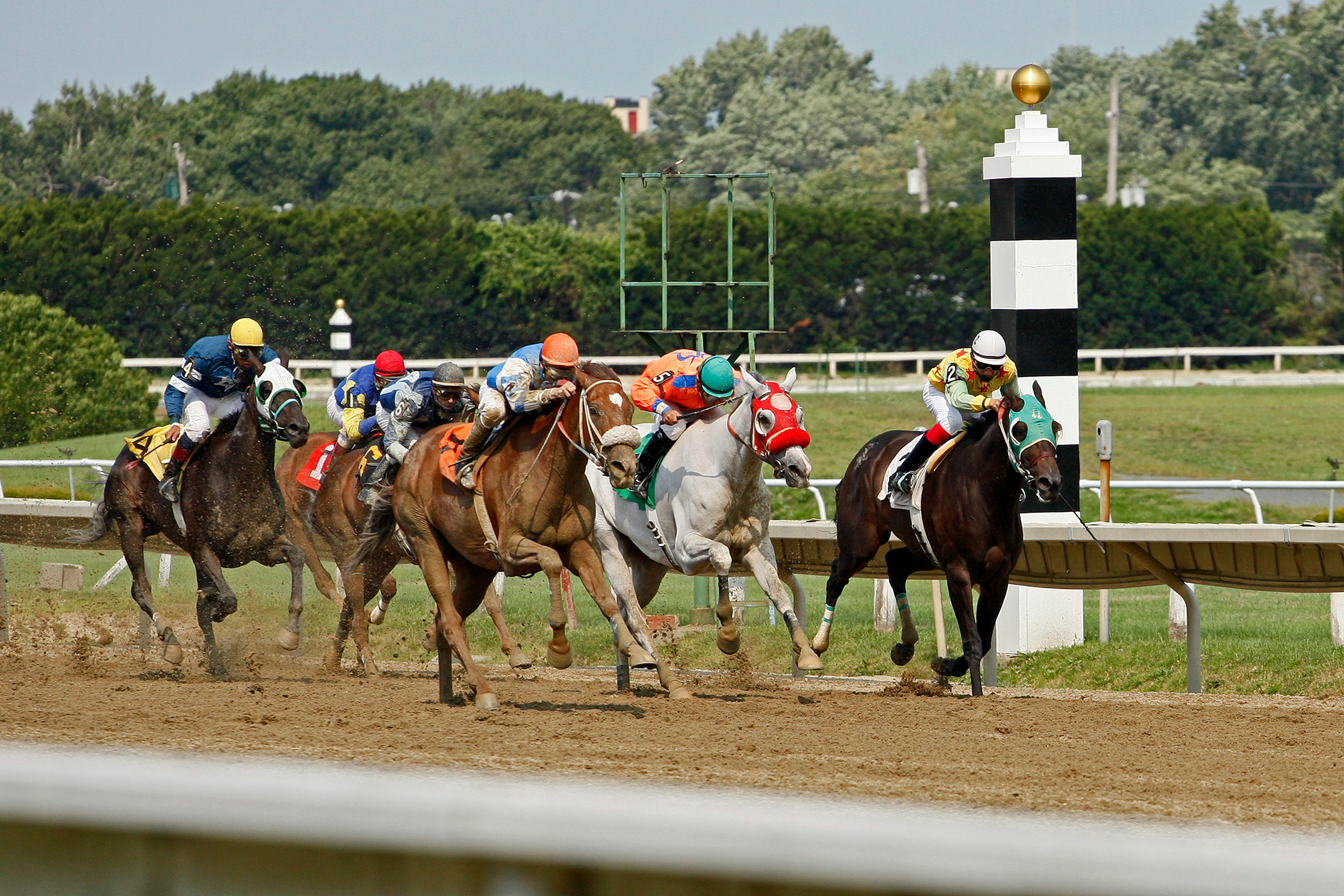
Dual Cheltenham Gold Cup winner Galopin Des Champs is set to return to the Blue Riband event of the Cheltenham Festival, bidding to win the most prestigious jumps race in the world for a third time.
Willie Mullins’ runner was successful in 2023 and 2024, while in 2025, he finished runner-up in the race behind Inothewayurthinkin. If victorious, he will become only the fifth horse in history to win the Cheltenham Gold Cup on three occasions.
Irish Horse Often Peaks at Cheltenham
Galopin Des Champs has featured just once so far this season, finishing third at Leopardstown in the Grade One Savills Chase. He is now the +500 favorite in the Cheltenham betting odds for the Gold Cup following that return to action.
Those placing a horse racing bet on the Gold Cup will note that Galopin Des Champs sits ahead of last year’s winner in the betting, with the defending champion available at +600. Mullins’ chaser finished six lengths behind the younger horse in 2025, so he will need to reverse that form if he is to land his hat-trick.
As the horse racing results show, Galopin Des Champs is often at his best in the final months of the season. His record at Cheltenham is excellent, as he has won three of his four appearances at the Gloucestershire-based venue in the UK.
Inothewayurthinkin Yet to Fire So Far This Season
Since winning the Gold Cup in 2025, Inothewayurthinkin has yet to record a victory. He has featured twice so far this season but has been beaten in the John Durkan Memorial Punchestown Chase and Savills Chase.
Gavin Cromwell’s runner ran over the shorter distance of 2m3f at Punchestown back in November in the race won by Gaelic Warrior, so there were excuses for that performance. However, much more was expected from him at Leopardstown during their festive meeting, but he finished a long way behind Affordale Fury, who landed the Grade One contest to put himself in the Gold Cup mix.
Cromwell will be hoping a return to Cheltenham will help his talented horse find his spark again. The eight-year-old was supplemented for the race in 2025, and he repaid that confidence in him with a superb round of jumping, adding his name to the roll of honour at the meeting.
New Challengers Emerge from King George
This year’s King George VI Chase has been one of the standout races in the 2025/26 National Hunt calendar. The feature race at Kempton produced a stunning finish, with four horses in with a chance after the final fence. It was eventually won by The Jukebox Man, who is one of the leading British contenders at Cheltenham.
Banbridge, Gaelic Warrior, and Jango Baie were second, third, and fourth, respectively, in the King George, and they all did enough in that race to enhance their Gold Cup claims. The last horse to win the Kempton feature and the Gold Cup in the same season was Kauto Star in 2009.
This year’s Cheltenham Gold Cup takes place on March 12, and it could prove a crucial race in determining the leading 3m chaser this season.
There are more interesting articles in our section on Racing & Wagering.
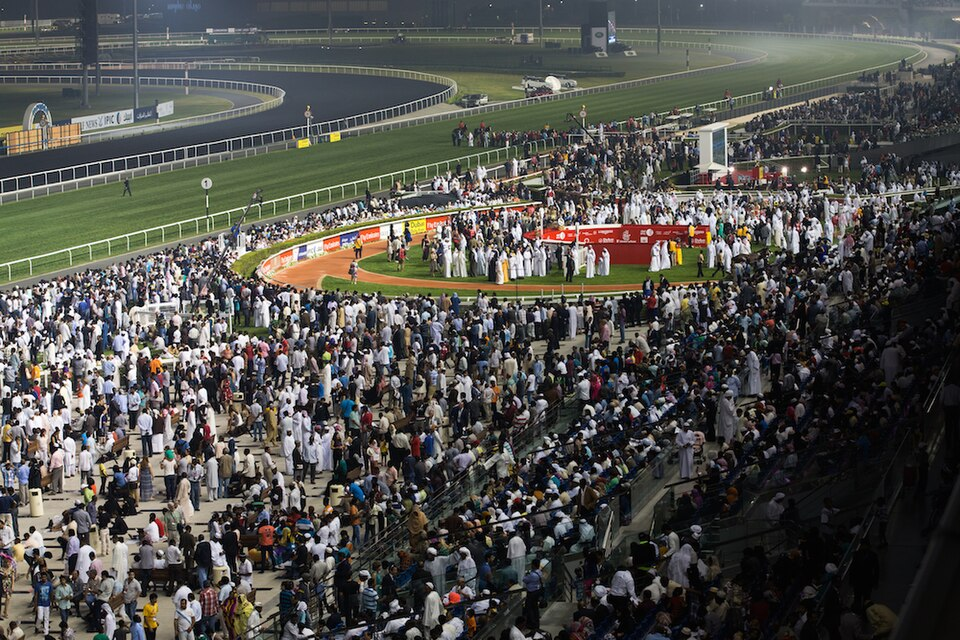
The Dubai World Cup is one of the most prestigious and lucrative dirt races in the world. The race at Meydan in the UAE always attracts a strong field, but this year’s renewal looks set to be one of the best in history.
A total of 151 horses have been entered in the $12 million contest, with horses from the United States, Japan, and Europe. It will be the 30th running of the 2,000-metre race, and it could include the last two winners.
Forever Young Bidding to Add to Breeders’ Cup Classic Triumph
Celebrate Japan! 🇯🇵🙌
— Breeders' Cup (@BreedersCup) December 28, 2025
Forever Young. Forever a historic Classic champion. 🤩 pic.twitter.com/hnPrLL7uOe
History was made at the Breeders’ Cup in 2025 as Forever Young became the first Japanese-trained horse win the Breeders’ Cup Classic. He is now +175 in the horse racing betting to win the 2026 Dubai World Cup and complete a famous double.
Based on his form in 2025, Yoshito Yahagi’s runner is likely to be one of the leading horse racing tips for the feature event on Dubai World Cup night. He won three of his four races last year, including success in the Saudi Cup at Riyadh.
In his first shot at the Dubai World Cup last March, Forever Young finished a close third behind Hit Show and Mixto. He was bumped in the race with three furlongs to go, but recovered well to come home in the placings.
Now aged five, Forever Young is much more experienced than he was in the last renewal of the UAE event. If victorious, he will be the third horse from Japan to win the Dubai World Cup.
Journalism Looking to Grab the Headlines at Meydan
Journalism ended 2025 as one of the leading three-year-olds in the United States. He was victorious in the Preakness Stakes. After finishing second behind Sovereignty in the Kentucky Derby, he went one place better in the US Triple Crown event at Pimlico, appreciating the extra distance in the 1,900-metre contest.
Michael McCarthy’s colt enhanced his reputation further last season when winning the Haskell Stakes at Monmouth Park. He ran on strongly inside the final furlongs in the Grade One contest to score by half-a-length.
The son of Curlin had to settle for fourth place in the Breeders’ Cup Classic at Del Mar. That was just his second start in open-age company.
Hit Show Set to Defend His Crown in Dubai World Cup Night Feature
Only one horse in history has been able to win back-to-back renewals of the Dubai World Cup, and that was Thunder Snow, who scored in 2018 and 2019. Last year’s winner Hit Show will look to emulate the Godolphin horse when he lines up at Meydan in the latest renewal.
HIT SHOW wins the 9th round "Dubai World Cup" at Dubai World Cup 2025 sponsored by Emirates. pic.twitter.com/pwrVGOe34O
— Dubai Media Office (@DXBMediaOffice) April 5, 2025
Brad Cox’s runner won a close finish in 2025, just edging Mixto for the top prize. The five-year-old has won races at Mountaineer Park and Keeneland since that career-best run. He may have one more prep run at Santa Antia before travelling out to the UAE.
The 2026 Dubai World Cup takes place on March 28, and it will be supported by a strong card at Meydan Racecourse.
There are more interesting articles in our section on Racing & Wagering.
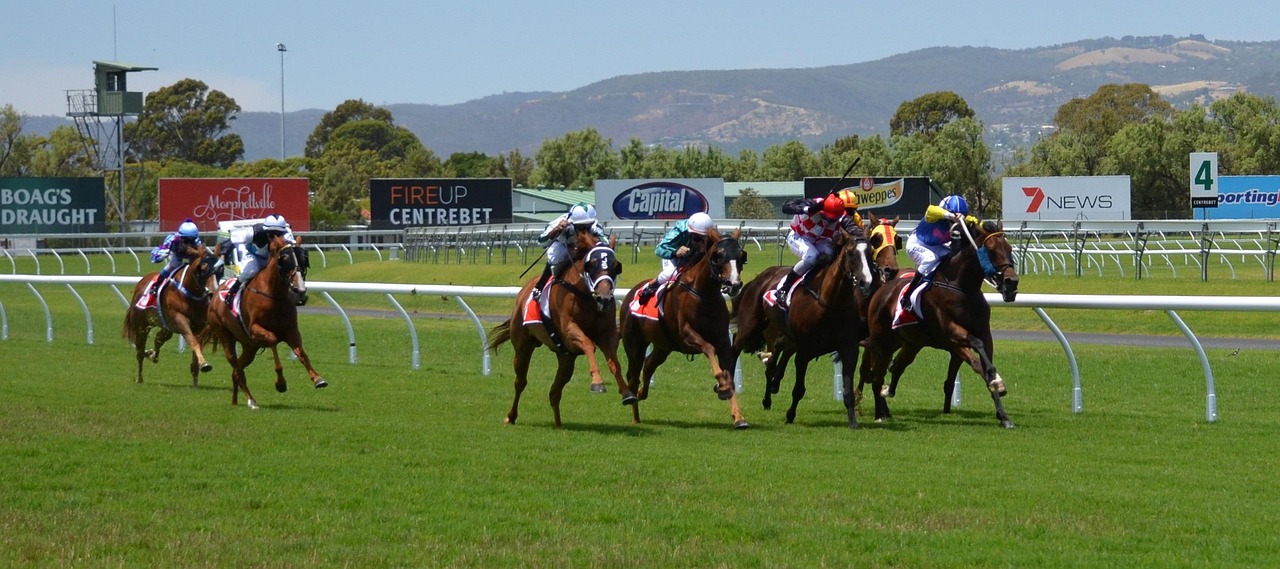
Horse racing rewards people who pay attention, not just to the horses, but to the signals around them. The colours in the mounting yard, the way a runner warms up, the track conditions underfoot, and, crucially, the better market.
For many punters, the market is just a place to find a prize, but for others, it’s a source of insight that can help make better betting decisions.
What the Odds Are Telling You
Odds are often treated as simple maths in a risk versus reward equation. But in racing, they carry far more nuance. Each price reflects collective opinion, built from form analysis, betting patterns, and shifting confidence as race time approaches.
A short-priced favourite usually signals trust. That trust might come from consistent recent runs, a strong trainer-jockey combination, or simply favourable conditions. Longer odds don’t necessarily mean a horse can’t win, though. Sometimes they point to uncertainty, limited exposure, or a runner that hasn’t yet caught the public’s eye.
The key point is remembering that odds aren’t fixed truths. They are opinions, and opinions can change!
Paying Attention to Market Movements
One of the most revealing aspects of betting markets is movement. Watching how prices change throughout the day can offer clues that form guides alone don’t provide. A horse that firms steadily often attracts quiet confidence, but if there’s a sudden drift (especially late), it can hint that doubts are creeping in.
This doesn’t mean every price movement has some hidden meaning, though. Sometimes markets react to hype or media attention rather than solid information. Still, repeated patterns tend to stand out over time, and learning to notice those patterns will help separate noise from something actually worth considering.
Use Form as a Filter
Form guides are important, but they can also be misleading when they’re taken at face value. A last-start win doesn’t always tell the full story, just as a poor finish might hide a run full of promise. This is where odds become a useful tool as a secondary filter.
When your form assessment lines up with the market, it usually reinforces your thinking. When it doesn’t, things get interesting. Disagreements between your view and the odds invite closer inspection, and sometimes the market has spotted something you might have missed. Other times, it hasn’t. And that tension is where smarter decisions tend to form.
How Technology Has Changed the Way We Bet
Modern betting has removed a lot of guesswork. Real-time updates, live markets, and easy access to TAB racing odds mean punters can track shifts instantly rather than relying on static prices printed hours earlier.
This has encouraged more deliberate betting. Instead of locking in early and walking away, many people now wait, watch, and react accordingly. The ability to compare prices across meetings and monitor late movement has turned market awareness into a basic skill rather than an optional extra.
Why Value Matters More Than Winners
One of the hardest lessons in racing is letting go of the idea that success comes from picking the most winners. In reality, long-term success comes from backing horses at prices that slightly underestimate their chances.
This is where reading the market properly pays off. A horse priced generously compared to its genuine prospects offers value, even if it doesn’t win every time. Over dozens of bets, that approach tends to hold up far better than chasing favourites and hoping nothing goes wrong. It takes patience and discipline to do this, but it also takes the pressure off, as you’re no longer trying to be right every race.
Keeping Things Fun
All of the above takes some learning, but horse racing should never feel like homework. The market is there to inform, not intimidate, and as you grow more comfortable with reading odds and spotting patterns, things become more fun than complicated.
Each race will also start to feel like a conversation between form, opinion, and timing. Sometimes you agree with the market, sometimes you don’t. Either way, understanding what’s happening beneath the surface adds depth to the experience.
And remember, reading the market won’t guarantee winners. Nothing does. But it will help you with clearer thinking, better context, and a stronger sense of why you’re backing a horse in the first place.
There are more interesting articles in our section on Racing & Wagering.
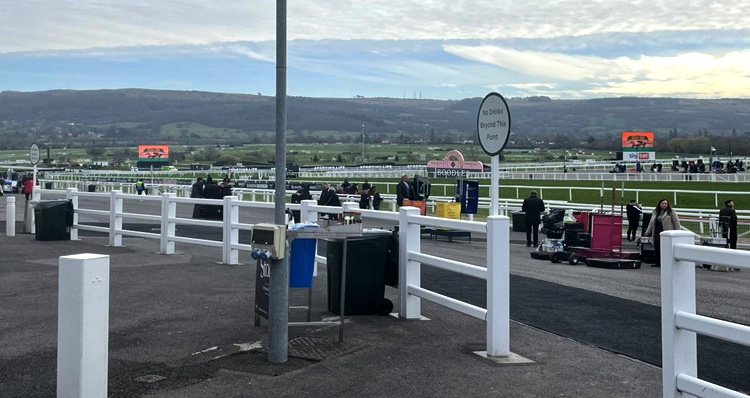
The 2025 Cheltenham Festival was unforgettable, purely down to the sheer number of well-backed favourites that were beaten, leaving the grandstands silenced and the bookmakers celebrating. Perhaps the biggest upset was Galopin Des Champs' failed Gold Cup three-peat bid, with the storied French horse well beaten by Inothewayurthinkin. But another was the Champion Hurdle.
The Champion Hurdle is the biggest race on day one of the Cheltenham Festival, and in 2025, all the talk was about Constitution Hill. Nicky Henderson's prized charge won the storied race in 2023 but was forced to surrender his crown without running in 2024 due to a lung infection. In 2025, he was the odds-on favourite to reclaim his crown, with long-time rival and reigning champion State Man expected to run him close. What unfolded was a wild ride.
Constitution Hill never looked settled and shockingly fell four from home, leaving onlookers stunned. State Man then inherited the lead, but he too fell, this time at the last. That opened the door for 25/1 outsider Golden Ace to race through, upsetting odds to claim a scarcely believable win.
Now, as the New Year approaches, a new Cheltenham Festival does too. With less than three months to go until the eyes of the racing world descend upon Gloucestershire, which horses are currently being positioned by online betting sites as the main contenders to secure Champion Hurdle victory on day one? Let's take a look.
Lossiemouth
Look, if you’re previewing the 2026 Champion Hurdle and Lossiemouth isn’t your headline act, you’re doing it wrong. This grey rocket from Willie Mullins’ yard is the one they’re all chasing right now – and with good reason. She’s unbeaten in five starts at Cheltenham, a record that tells you this place suits her down to the ground. Back in 2025, she toyed with the field in the Mares’ Hurdle again, romping home by eight lengths like it was a glorified sparring session. Fast forward 12 months, and betting sites have her priced in for the biggest win of her career.
The latest Bovada horse betting odds currently list the immensely talented mare as the 2/1 favourite to win the 2026 Champion Hurdle, and if she can live up to the lofty billing, she will follow in the footsteps of the likes of Annie Power and Honeysuckle, mares who took on and beat the boys at their own game. But the 2025 season wasn't all plain sailing, despite yet another win at Cheltenham.
A fall in the Irish Champion Hurdle when tanking along, and a Christmas flop behind Constitution Hill at Kempton, had a few doubters muttering. She bounced back with an Aintree demolition job, reminding everyone she’s got gears most horses can only dream of. Perfect at Prestbury Park: Triumph as a juvenile, then two Mares’ Hurdles without breaking a sweat.
Now the big question: does Mullins finally throw her in against the boys? That 7lb allowance is a massive perk, and her speed up the hill could embarrass a few geldings. At 2/1, she’s no value screamer, but she’s the most likely winner in a division crying out for a standout. If they go for it, she’ll be tough – very tough – to peg back.
Sir Gino
Sir Gino – the “what if” horse of the moment. Nicky Henderson’s speedball looked like a monster early in 2025, blitzing the Fighting Fifth and then switching to fences for a sparkling debut win over Ballyburn in the Wayward Lad. Electric doesn’t cover it. But then disaster: a nasty leg infection hits and sidelines him for the season, no Cheltenham, no nothing. Gutting.
Before the setback, he was unbeaten over hurdles, with that juvenile form stacking up nicely – a proper Triumph trial winner at Cheltenham, where he made the hill look flat. Course record: one from one, and he loved it.
Now the talk is a return to hurdles for the Champion. Henderson’s keen, reckons the two miles sharp is his game, and the horse is back in work looking a picture. Lightly raced, bags of upside, that devastating turn of foot intact. But here’s the rub: he’s missed so much time, and this division’s moved on. Lossiemouth’s flying, The New Lion’s unbeaten vibe is strong.
At 3/1, there’s an appeal if you’re a glass-half-full type – a fresh, classy five-year-old with Henderson magic. But forgive me for a touch of scepticism; coming back from a serious injury into a red-hot Champion Hurdle? Brave call. Still, if he turns up like his old self, he’ll scare the life out of them.
The New Lion
Dan Skelton’s The New Lion – unbeaten, tough as a two-dollar steak, and suddenly the progressive force this race might revolve around. What a 2025 he had: stayed perfect with a gritty win in the Turners Novices’ at Cheltenham, digging deep up the hill to hold off strong stayers. Before that, the Challow demolition at Newbury had tongues wagging – proper Grade 1 stuff.
The only hiccup? An early fall in the Fighting Fifth when odds-on, but let’s not dwell; it happens. Cheltenham loves him: one run, one battling success on that demanding track.
Skelton’s banging the drum for a drop back to two miles in the Champion, convinced his sharp acceleration will shine. JP McManus ownership, Harry Skelton aboard – it’s got all the ingredients. He’s versatile, travels like a dream, and that unbeaten tag carries weight in a wide-open year.
9/2 feels fair, maybe even generous if he starts the season with a bang. No superstar dominating yet, so why not this tough cookie? He’s got the stamina from the Turners, the speed for sharper tests – could be the blend that wins it. I’m excited about him; in a renewal short on proven elite, his upward curve screams danger.
There are more interesting articles in our section on Racing & Wagering.
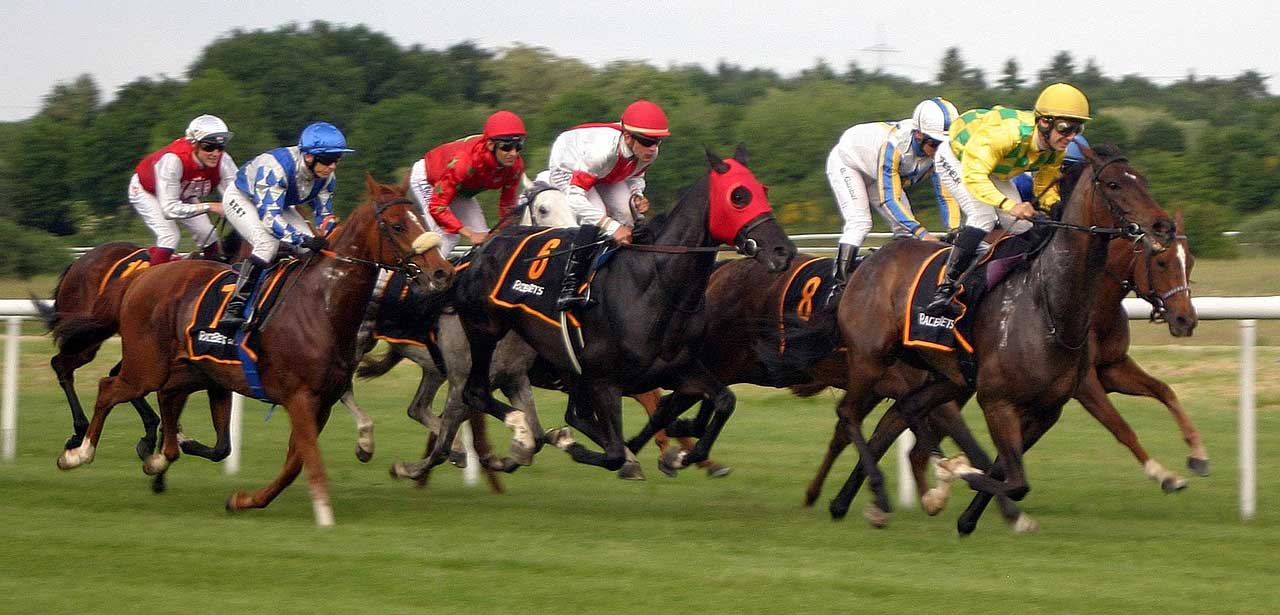
Horse racing has a recognizable image: elegant hats, spectacular photo finishes, predictions and major events like the Derby or the Prix de l’Arc de Triomphe. But behind the glamorous surface lies a world full of technical details, regulatory choices and quirky stories that rarely make the headlines.
Here are five lesser-known curiosities that show just how complex — and often surprising — the world of racing can be.
The origins of the photo finish are older (and more technical) than you think
Today the photo finish is a defining symbol of modern horse racing, but its history goes much further back than most people realize. The very first race arrival photos date to 1890, when photographer John Charles Hemment tested a system where the winning horse would break a thread at the finish line, triggering a camera shutter. It was just one single shot: if the timing wasn’t perfect, the photo was useless.
Technology has radically evolved since then. Modern photo-finish systems use a special “strip camera” fixed exactly on the finish line. It doesn’t take a traditional sequence of photos — it continuously records everything that crosses that narrow plane. The resulting image displays time along the horizontal axis and the finish line itself vertically, making it possible to distinguish horses separated by just a few centimeters at over 60 km/h.
A curiosity within the curiosity: the picture the public sees is only a readable reconstruction created by selecting a portion of the continuous stream captured by the camera.
Favorites win often — but not as much as people assume
There’s a well-documented paradox in racing statistics known as the “favorite–longshot bias.” When researchers analyze massive datasets from different countries, they find that heavily unfavored horses (longshots) tend to attract more support than their real chances justify, while favorites are slightly undervalued.
In simple terms: over the long run, extreme long-odds predictions tend to be less efficient than those backing favorites — even though the favorites certainly don’t win all the time. A commonly cited estimate is that non-favorites win about two-thirds of all races, but that doesn’t mean they have twice the chances of the favorite. It simply reflects the fact that many different horses share that 66%.
This isn’t interesting because of betting outcomes — it’s interesting because it reveals a human trait: many people are drawn to the dream of a wildly improbable upset, even when the numbers tell a less romantic story.
The whip is tightly regulated — and at the center of ethics debates
Anyone watching a race will notice jockeys using the whip. What fewer people know is how precisely regulated that tool is today, both to avoid abuse and to maintain public trust in animal welfare.
In Britain, for example, strict rules define the maximum number of strikes: six in flat races and seven over jumps. A jockey may not raise their arm above shoulder height, and can only strike in specific areas such as the shoulder and hindquarters. Modern whips are foam-padded to limit physical impact.
Violations are not rare and carry serious penalties. At the same time, more extreme cases beyond racing — including convictions for animal cruelty in Australia — have fueled wider discussions about the balance between equine welfare and competition.
The whip has therefore become one of the core issues shaping the public legitimacy of horse racing in the 21st century.
Outsiders and the legendary “small pony who won the Derby”
Racing’s most incredible stories often come not from the champions expected to win — but from those who shouldn’t stand a chance.
A famous example is Little Wonder, one of the smallest thoroughbreds ever to win a major race. He stood under 15 hands (around 1.52 m), yet in 1840 he took the Epsom Derby at 50/1 odds — so unexpectedly that rumors spread claiming the tiny colt must have been younger than officially declared.
More recent upsets have pushed the limits even further. There are documented cases of horses winning at 300/1 — the maximum odds many bookmakers in Britain and Ireland will list. In 2022, Sawbuck shocked Punchestown with such a victory over hurdles, while in 2025 Heavenly Heather scored at 200/1 in Newcastle, marking one of the biggest surprises of the decade.
These aren’t just colorful anecdotes — they highlight how unpredictable racing truly is, where form, tactics, track conditions and accidents can flip expectations upside-down.
Night racing and the rise of high-tech racecourses
Another underrated curiosity is how racecourses themselves have evolved. Night racing, for example, is relatively recent. Although floodlights appeared in outdoor sports in the 19th century, Britain’s first official floodlit flat racing meetings only arrived in the 1990s.
Today, several venues use advanced LED systems: Southwell is cited as the first European track to adopt fully LED lighting for evening cards, improving visibility, energy efficiency and environmental sustainability.
This technological shift has reshaped the way horse racing is followed remotely. Evening scheduling appeals to those who work during the day, and live broadcasts now feature HD footage, real-time data and searchable archives.
In this digital ecosystem, even specialized online platforms have opened sections fully dedicated to racing analysis, results, statistics and historical data such as NetBet horse racing giving enthusiasts a centralized dashboard to follow events without needing to be at the track.
A world more complex than it appears
These five curiosities highlight just a fraction of the complexity of modern horse racing: a sport where 19th-century traditions (like early photo-finish experiments) coexist with cutting-edge technology, advanced statistical modeling and an ongoing conversation about ethics and animal welfare.
Behind the thunder of hooves and the excitement of the finish line, racing is also a laboratory of innovation, culture and human — and equine — stories, well worth discovering more closely.
There are more interesting articles in our section on Racing & Wagering.

Horse racing odds are crucial for both seasoned bettors and newcomers. Grasping these odds can enhance your betting experience by providing insight into potential winnings. This article explains how these odds are calculated and interpreted.
Horse racing odds might initially seem complex, but they are vital in the betting world. These odds offer insights into the likelihood of a horse winning a race and the potential payout if your bet is successful.
By understanding the basics of horse racing odds, you can make more informed betting decisions, whether you're placing a wager on a local race or exploring options like leopardstown betting at Boylesports.
This article will help you become a more knowledgeable enthusiast by explaining the intricacies of odds calculation and interpretation.
How horse racing odds are calculated
The calculation of horse racing odds involves analysing various factors that might influence a race's outcome. Key elements include the horse's past performance, current form, and the jockey's track record. Additionally, track conditions and weather can affect how well a horse performs on race day. Bookmakers use this information to set initial odds, which can shift as bets are placed and new information becomes available.
Betting patterns significantly influence how odds are calculated. As money is wagered on specific horses, bookmakers adjust the odds to balance their books and minimise risk. This dynamic process means that understanding the basics of odds calculation can give you an advantage. When you recognise patterns or shifts in odds, you can potentially identify opportunities for favorable bets.
Different formats of horse racing odds
Horse racing odds are presented in several formats, each conveying the same fundamental information but catering to different preferences and regions. Fractional odds are common in the UK and are expressed as ratios like 5/1 or 7/2, indicating potential profit relative to your stake. Decimal odds are prevalent in Europe and Australia, showing total payout per unit bet, such as 6.0 or 4.5.
The moneyline format is popular in North America and presents odds as positive or negative numbers, representing potential profit on a stake or the amount needed to win a specific amount. For instance, +300 indicates a profit on a bet, while -150 means you need to wager a certain amount to earn a profit. By familiarising yourself with these formats, you can easily compare offers across platforms and select bets that align with your strategy.
Interpreting odds for informed betting decisions
To make informed betting decisions, it’s essential to interpret odds correctly. Odds reflect not only potential payouts but also implied probabilities of outcomes. By converting fractional or decimal odds into percentages, you can assess how likely a bookmaker believes an event is to occur. This knowledge empowers you to gauge whether an offered bet represents value based on your own assessment of an event.
Comparing odds across multiple bookmakers is another crucial step for any bettor seeking value. Different platforms may offer slightly varying odds due to their unique calculations and risk assessments. By shopping around, you might find more favorable terms that enhance your potential returns or reduce your risk exposure.
The role of technology in accessing horse racing odds
Technology has transformed how fans access and understand horse racing odds today. Online platforms provide real-time updates and comprehensive data analytics that were previously unavailable to casual bettors. These platforms allow you to track market movements instantly and adjust strategies based on live information.
Mobile applications further simplify this process by delivering notifications about significant changes in odds directly to your device. This constant connectivity ensures that you're always equipped with the latest insights no matter where you are. Embracing these technological advancements enhances your betting experience by offering unprecedented levels of accessibility and convenience.
There are more interesting articles in our section on Racing & Wagering.
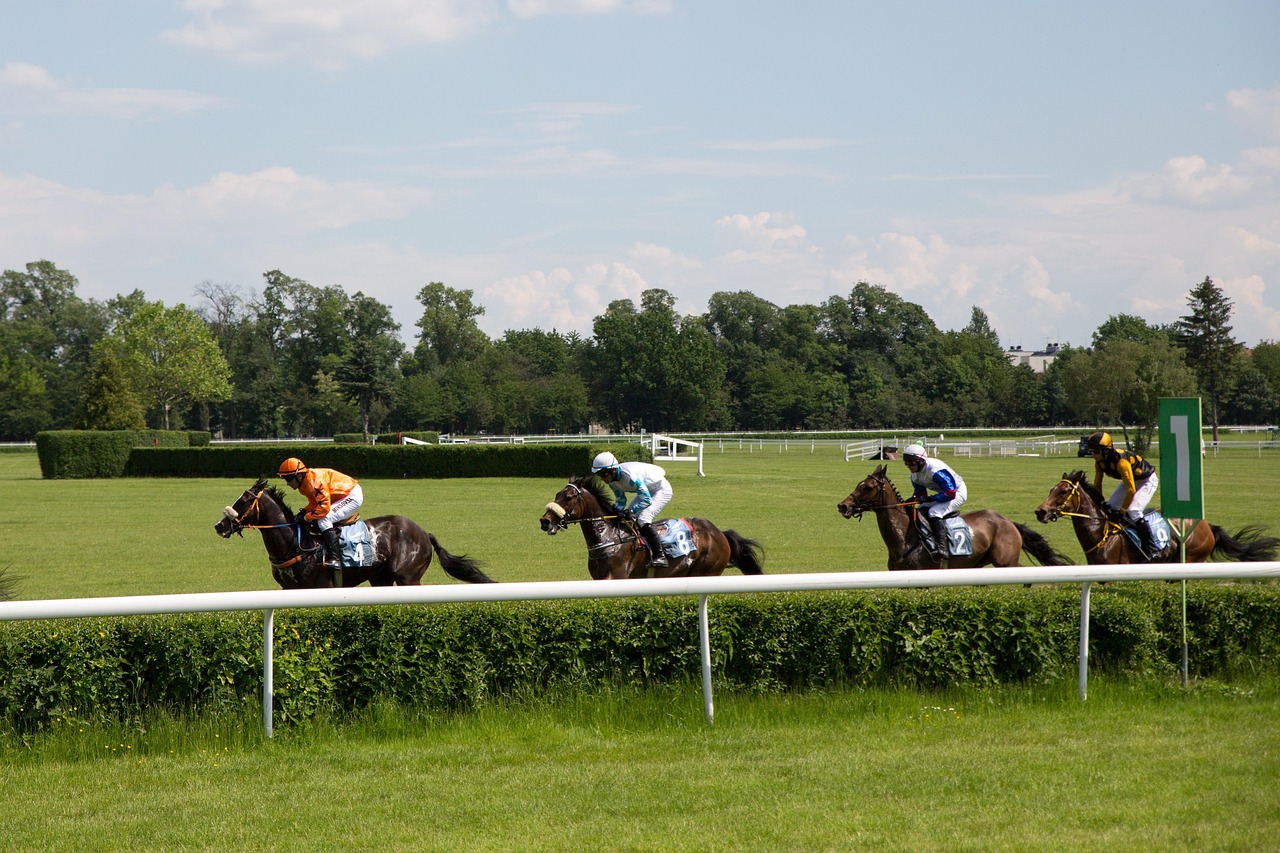
The year 2025 has been a blockbuster one in the world of horse racing, and with just a handful of marquee races remaining, it now provides the perfect time to reflect and take stock. The year really kicked into gear back in March as the UK's Cheltenham Festival got underway.
The Gloucestershire showdown is renowned as a meeting in which the favorites thrive. But this year, a whole host of big names were well beaten, with the likes of Constitution Hill, Ballyburn, and Galopin Des Champs, among many others, all thoroughly thrashed.
Staying in the UK, the Grand National was up next and once again, it was an outsider who shone, this time Nick Rockett, winning for Willie Mullins at a mighty price of 33/1. After that, the racing world headed across the pond for the American Triple Crown, a circuit in which the well-fancied Journalism was earmarked as the horse to beat.
However, much like in Old Blighty, he couldn't live up to the billing, twice losing out to one of the horses of the year (more on him later) despite being a massive favorite.
As the year has gone on, more and more stories have been written. But which were the horses that stole the show in 2025? Let's take a look.
Sovereignty
Every era delivers its horse of destiny. In 2025, Sovereignty didn’t just inherit that mantle—he seized it with aplomb. Bill Mott's prized charge was considered somewhat of a middle-of-the-pack horse when the Triple Crown rolled around, but it was clear on Kentucky Derby day at Churchill Downs that the Godolphin superstar was about to be so much more than a mere contender.
For much of the race, it seemed as though the consensus with racing betting sites was correct. The horse racing at Bovada odds listed him as a 6/1 shot, decent, but by no means supposed to be a match for the 5/2 favourite Journalism.
And that's how it went for a while, mired mid-pack, unseen amid a flurry of hooves and mud. But the timer doesn’t lie. After clocking the fastest closing 400 meters on the card, he surged past Journalism to win by 1½ lengths.
What followed was a masterclass in campaign management—and risk. Mott, eschewing Triple Crown tradition, pulled Sovereignty out of the Preakness, fueling hot-take fury. But at Saratoga’s makeshift Belmont, the colt executed a chilly, surgical three-length coup d’état, posting 2:00.69—a time that would have dropped jaws even on Belmont’s expansive oval.
Sovereignty… again?! This horse is a PROBLEM. #BelmontStakes
— Bovada (@BovadaOfficial) June 7, 2025
pic.twitter.com/gL4LQU7nKQ
The Travers? A 10-length blowout. The Longines 127 rating is world-best for dirt. The only foes that bested Sovereignty in 2025 were illness (that Breeders’ Cup fever) and circumstance. The analytics, meanwhile, suggest there's daylight between this horse and his rivals—both in pure figures and in tactical versatility.
With the Pegasus, Met Mile, and another Breeders’ Cup circled for 2026, Sovereignty promises to test the outer limits of North American racing’s upper echelon.
Forever Young
Strength on home soil. Ruthlessness abroad. In 2025, Forever Young shattered a glass ceiling and rewrote not just the Japanese record books, but racing’s entire geopolitical script.
The numbers are staggering: millions in earnings, a pair of globe-trotting G1 wins, and a year-end rating that yanked him level with Sovereignty (127 on Longines). But it’s how Forever Young achieved it that sets this Real Steel son apart. The Saudi Cup—richest race on earth—saw him outduel Romantic Warrior in a display of deep stamina and killer instinct.
After biding his time and gobbling up ground at the world’s richest dirt contests (third in the Dubai World Cup, dominant in the Nippon TV Hai), Forever Young arrived at Del Mar, a stage that has broken many a traveling champion. Yet when the gates clattered, Forever Young stalked, pounced, and repelled a full-force charge from the best America had to offer. The Breeders’ Cup Classic, at last, fell to a Japanese-trained runner.
And yet, here’s the most electrifying data point: Yahagi’s colt achieved a 50% strike-rate at the Group 1 level in 2025, facing nothing but elite opposition. The targets for 2026 are bold—repeat Saudi Cup, maybe another Breeders’ Cup, perhaps the Pegasus World Cup or Dubai. If you’re chasing answers about the world’s measuring stick for dirt excellence, you’ll find them wherever Forever Young’s passport gets stamped.
Calandagan
Some horses win races. Others bend the entire shape of a division to their will. Calandagan, the Aga Khan’s homebred king, did the latter—taking the classic European middle-distance game, wringing it for all it was worth, and then expanding the ceiling.
After a tough-luck second in Dubai, the Gleneagles gelding was unleashed in France, dismantling fields in the Grand Prix de Saint-Cloud and punching above historic weight at Ascot. The King George win was more than a stat—it was a statement, only the second since Brigadier Gerard (1972) to claim both the Saint-Cloud and Ascot double.
But the data is ruthless. When Calandagan reappeared at the QIPCO Champion Stakes, he didn’t just win; he opened up more than two lengths on a pack teeming with last year’s giants, posting a globe-high Longines 130. That figure? It’s not just a badge of superiority—it’s a challenge to all-comers, regardless of surface.
Will his legend extend onto the roads less traveled in Japan or Australia? If so, expect tactics, class, and closing fractions that have left a trail of scorched earth across Europe.
Lossiemouth
National Hunt racing is not for the faint of heart—nor for those allergic to adversity. Lossiemouth, the six-year-old mare trained by Willie Mullins, exemplified how resilience and class can transform chaos into coronation.
The season began with a stumble, literally—early falls and setbacks threatened to unravel her campaign. But the Riccis have never believed in folding their best hand. When Lossiemouth entered Cheltenham for the mares’ hurdle, she did so with purpose, blitzing rivals by seven lengths and registering a time that outstripped male company later in the festival.
Aintree further underscored her dominance—conquering open company with almost languid confidence. Her Anglo-Irish rating of 159, particularly with the mares’ allowance, puts her in the company of hurdling immortals. There’s tantalizing talk now: a tilt at the Champion Hurdle, a rare pursuit of the chasing game. Either way, the only thing greater than Lossiemouth's talent is the weight of expectation she now shoulders.
There are more interesting articles in our section on Racing & Wagering.
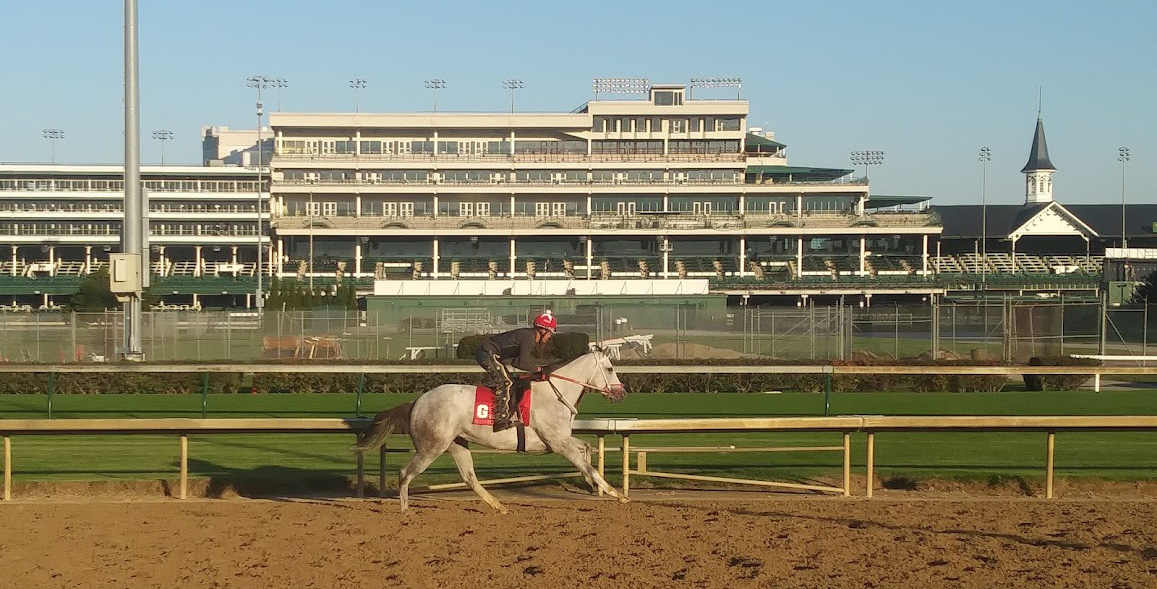
Kentucky’s horse racing legacy is built on a foundation of dedication, innovation, and a deep respect for the sport’s traditions. Across Lexington and Louisville, trainers, breeders, and stable hands are using cutting-edge technology to prepare young thoroughbreds for the Kentucky Derby while maintaining the craftsmanship that defines Bluegrass racing culture.
As Derby season approaches, the buzz around Kentucky’s top stables grows louder with every prep race. Fans following their favorite horses, from early workouts at Keeneland to qualifying runs at Churchill Downs, look for every way to feel part of the action.
For many, that excitement extends beyond the stands, with some taking advantage of the latest betting promos in Kentucky to make race day even more thrilling. It’s a tradition that blends the state’s passion for horse racing with a modern edge, keeping the spirit of competition alive from the barns to the betting slips.
The Balance of Tradition and Technology
Kentucky’s horse racing tradition stretches back over a century, yet its top trainers are embracing technological progress to stay ahead of the competition.
From the breeding farms of Lexington to the training grounds near Louisville, stable operations are merging long-standing practices with data science, allowing trainers to predict potential, prevent injury, and perfect performance. These advancements ensure that each young horse has every possible advantage before stepping onto the Derby trail.
Today’s top Kentucky trainers use motion-sensor tracking, heart-rate monitoring, and stride analysis software to collect real-time data during workouts. These tools allow teams to assess a horse’s efficiency, stamina, and stress response.
The collected data helps refine training regimens, ensuring each thoroughbred reaches peak performance while minimizing physical strain. What once relied solely on instinct and observation now benefits from precise, quantifiable insight.
The Science of Nutrition and Recovery
Equine nutrition has evolved into a scientific discipline that influences every aspect of a horse’s growth, conditioning, and longevity. Kentucky-based nutritionists collaborate with stables to design individualized feeding plans based on a horse’s age, metabolism, and workload.
The introduction of micro-nutrient tracking and electrolyte recovery programs allows trainers to maintain optimal performance across longer training cycles without overexertion.
Modern Kentucky trainers are integrating technology into feeding management, using data to track caloric intake, hydration levels, and digestive health. Advanced supplement blends with amino acids, probiotics, and vitamin infusions have become standard for Derby-caliber horses.
These regimens balance traditional grain mixes with performance-enhancing nutrients, enabling horses to recover faster between demanding training sessions.
Conditioning Programs for Young Thoroughbreds
Early conditioning is one of the defining factors in determining a horse’s racing potential. Kentucky trainers begin structured programs months before formal track training begins. Controlled gallops, swimming sessions, and gradual speed conditioning are used to develop both cardiovascular strength and mental focus.
This early exposure to physical and sensory challenges builds horses that are resilient, confident, and ready for elite competition.
Biomechanical analysis tools now play a key role in conditioning programs. By studying gait symmetry, stride frequency, and joint flexion, trainers can make micro-adjustments that prevent long-term injuries. These insights provide a bridge between traditional horsemanship and modern sports science, ensuring that every stride brings the horse closer to its full athletic potential.
Insights From Recent Derby Prep Races
Prep races leading up to the Kentucky Derby offer a preview of the year’s most promising contenders. Trainers closely study sectional timing data, pace dynamics, and finishing acceleration to refine their horses’ strategies. The 2025 prep circuit at Churchill Downs, Fair Grounds, and Keeneland highlighted several emerging stars, each representing the effectiveness of modernized Kentucky training methods.
Recent prep races have shown a shift toward horses that combine endurance with tactical speed. Kentucky-based trainers emphasize efficient pacing and consistent stride length, using wearable tech to measure split times and heart-rate recovery post-race. These details reveal how advanced conditioning and technology are redefining Derby preparation, giving Kentucky stables an edge in national competition.
Lexington’s Leading Stables and Operations
Lexington’s reputation as the heart of horse breeding remains unmatched. Farms like Claiborne, Spendthrift, and Ashford continue to set industry standards, blending old-world expertise with innovation.
Facilities here are equipped with hydrotherapy pools, climate-controlled stalls, and digital monitoring systems, all designed to support year-round conditioning and performance optimization.
Breeding operations around Lexington are adopting artificial intelligence to analyze bloodlines and predict genetic strengths. AI algorithms process decades of racing and breeding data, identifying ideal pairings to maximize speed, stamina, and temperament. This integration of science into breeding ensures that the next generation of Kentucky-bred horses inherits the best possible combination of athletic traits.
Louisville’s Training Legacy and Derby Connection
Louisville remains the beating heart of Derby tradition. Trainers based near Churchill Downs focus on acclimating young horses to the track’s unique conditions, from the sound of the crowd to the texture of the dirt surface. Many incorporate simulated race scenarios to build confidence and adaptability in their horses, ensuring readiness for the high-pressure environment of Derby Day.
Using advanced audio systems and visual stimuli, Louisville trainers replicate race-day noise, movement, and competition to condition horses psychologically. This desensitization method enhances focus during real races, where unpredictable energy levels and crowd intensity can affect performance. It is an innovation rooted in Kentucky’s tradition of precise preparation and poise under pressure.
Tourism and Economic Impact of Derby Season
The Kentucky Derby is not only the pinnacle of horse racing but also a major economic driver for the state. The influx of visitors during Derby week supports thousands of jobs in hospitality, retail, and event management. Lexington and Louisville see record occupancy rates, with hotels, restaurants, and small businesses benefitting from the surge in tourism and fan engagement.
Local artisans, distilleries, and restaurants experience a remarkable boost in revenue during Derby season. Shops selling equestrian gear and Derby hats often record their highest annual sales in the weeks leading up to the race. The economic ecosystem surrounding the Derby illustrates how the passion for racing extends beyond the track, strengthening Kentucky’s cultural and financial identity.
The Role of Fan Engagement in Modern Racing
The digital age has expanded horse racing’s audience beyond the grandstands. Fans across Kentucky stay connected to the sport through mobile apps, streaming services, and interactive platforms. Online communities and race analytics tools allow enthusiasts to follow their favorite horses throughout the year, deepening their connection to the state’s racing heritage.
Apps and live-streaming platforms have revolutionized how fans track results from Churchill Downs, Keeneland, and other circuits. Many platforms now provide race replays, training videos, and betting insights in real time. This accessibility keeps engagement strong between major events, sustaining enthusiasm and community involvement throughout the off-season.
Educational Programs and Next-Generation Horsemen
Kentucky’s racing future depends on training not just horses but people. Equine programs at the University of Kentucky and other local institutions offer hands-on training in equine science, nutrition, and management. These programs ensure that the state continues producing skilled professionals capable of balancing tradition with innovation.
Leading trainers often mentor young assistants and stable hands, passing down the expertise that has defined Kentucky’s racing culture. This blend of academic education and real-world experience creates a well-rounded generation of horsemen ready to sustain Kentucky’s legacy at the forefront of the sport.
Sustainable Practices in Kentucky Racing
Environmental stewardship is becoming an essential part of Kentucky’s racing operations. Stables and farms are adopting green technologies, including solar-powered barns, water recycling systems, and organic pasture management. These initiatives reflect a broader effort to protect the land that sustains the thoroughbred industry.
Facilities are now incorporating biodegradable bedding materials, efficient ventilation systems, and renewable energy sources. Trainers and farm owners recognize that maintaining environmental balance ensures the longevity of Kentucky’s racing ecosystem. These sustainability efforts exemplify the forward-thinking mindset shaping the future of the industry.
Maintaining Kentucky’s Dominance in American Racing
Kentucky’s ability to adapt and evolve is what keeps it ahead of the curve. The combination of world-class training, advanced technology, and a deeply rooted culture of horsemanship positions the state as the undisputed leader in American racing. Every innovation introduced in Kentucky influences the broader national landscape of the sport.
As the sport continues to evolve, Kentucky’s commitment to progress ensures that its trainers, breeders, and horses will remain at the center of excellence. The synthesis of tradition, technology, and talent forms the foundation upon which future Derby champions will rise, solidifying Kentucky’s enduring supremacy in the realm of thoroughbred racing.
There are more interesting articles in our section on Racing & Wagering.
Competition, available for many sports, whether on running tracks, football fields, or in classrooms and boardrooms, has always been more than a battle for victory. It is a reflection of human behaviour, showing how people and teams respond to pressure, structure, freedom, and limits.
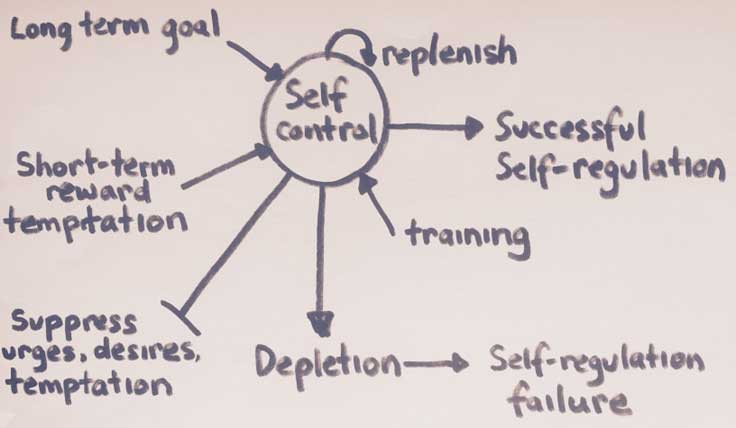
At its center, competition is not just about who runs faster, scores more, or thinks smarter. It is also about how one manages the control of the body, mind, environment, and even of the unpredictable outcomes that define contests. Control, in this sense, is not rigid dominance but a balance between discipline and adaptability.
Control of the Self
The most immediate aspect of control in competition lies within the self. When the starting pistol fires, what separates the great from the good is not just speed. It is the ability to stay composed under pressure.
The same holds on the racetrack. Of course, Thoroughbreds may train tirelessly on gallops, perfecting stride and pace under controlled conditions. Yet once the gates fly open on race day, the roar of the crowd, the jostling of rivals, and the pressure of the moment can unsettle even the most prepared horse. Here, discipline and the jockey’s ability to steady their mount become the invisible skills to remain focused amid chaos and maintain rhythm when every second counts.
Control of the self is not about denying emotions but channeling them. Anger can fuel determination, fear can sharpen reflexes, and joy can boost confidence if managed wisely. The athlete who loses control of emotions usually loses the match, and the one who transforms them into energy usually writes history.
Control Through Discipline
Trainers are aware that missing a single gallop may not set a horse back, but a pattern of inconsistency in workouts will show up in lost strides on race day. Also, trainers and jockeys understand that raw speed can occasionally win, but consistent conditioning, careful feeding, and proper rest build a champion’s career.
Discipline in horse racing is control turned into routine. It is the unseen cycles of training, stable care, and patient repetition that allow a horse to unleash its peak performance when the gates swing open. As trainers often say, “Races are won in the mornings,” because in those quiet, repetitive sessions, control and rhythm are steadily built.
The Balance of Control & Freedom
Interestingly, competition also teaches that too much control can backfire. Horses, like athletes, can mess up when over-managed. A mount held too tightly by the reins often loses fluidity, running stiff and restrained instead of stretching out with natural rhythm. A jockey who becomes obsessed with “not making a mistake” may ride too cautiously, holding back speed at the wrong time.

On the contrary, when a horse finds its stride and the rider senses the rhythm, both seem to glide as if instinct and training have merged. Letting go at the right moment by allowing the horse to run freely becomes just as important as the discipline instilled through months of conditioning. The interesting thing about control in racing is that mastery happens when discipline transforms into instinct, creating freedom rather than rigidity.
This balance is visible in every contest. Trainers can design the programme, set the pace in workouts, and plan the race strategy. However, once the gates fly open, jockey and horse must feel the flow, respond to rivals, and sometimes abandon the script. True control on the racetrack is therefore unique, shifting effortlessly between structure and spontaneity.
External Control
No matter how carefully a horse is conditioned, racing carries elements beyond anyone’s control. They vary from track conditions to rival tactics, gate breaks, weather, or even the draw of a difficult post position. These external forces test the horse’s ability to respond and the jockey’s capacity to adapt.
Sometimes a sudden downpour makes the turf heavy, a rival horse presses the pace too hard, or a break from the gate goes poorly. In such cases, riders and trainers face a choice: to either dwell on the uncontrollable or adjust quickly and concentrate on the factors they can influence, like timing the move, conserving energy, and seizing the right opening. This resilience is perhaps one of the deepest lessons horse racing offers, echoing life itself. It teaches us that success does not usually depend on controlling every circumstance but on mastering one’s response to them.
The Psychological Aspect of Control
Beyond physical exertion, competition shines a spotlight on the mind. In horse racing, mental toughness applies to both jockey and horse. It means staying calm despite a poor break, a fierce rival, or shifting track conditions.
Control of the mind is central. Without it, strength falters. Just as a powerful horse needs steady hands, a strong body without focus is like speed with no direction.
Control in Team Dynamism
Competition also reveals how control works within partnerships. In racing, success is not just about a horse’s speed. It also encompasses the seamless communication between jockey and mount.
Trust, timing, and coordination often outweigh raw power. Many trainers and owners face the challenge of balance. Being that too much interference stifles instinct, while too little structure risks disorder. Effective leaders share control, guiding without constraining.
When Control Slips
Competition is instructive when control slips. A horse may bolt from the gate too early after weeks of careful training, or a jockey mistimes a closing run and loses by a nose. These moments sting, but they also bring clarity. They show the fine line between rhythm and recklessness, composure and collapse. However, the lesson lies not in the loss itself but in the reflection afterward.
Control Beyond the Arena
The reasons lessons from competition resonate behind sports are simple. Life itself is competitive. From job interviews to tryouts and academic exams, we constantly face situations that reflect the uniqueness of tracks and fields.
Yet the same principles apply. Self-control helps manage emotions in stressful conversations. Discipline sustains progress in long-term projects. Balance of control and freedom breeds creativity. Adaptability ensures resilience in uncertain environments. Shared control strengthens collaboration in teams.
With these, competition becomes a metaphorical classroom. One that teaches us that control is not about domination but about harmony. Harmony between discipline and spontaneity, self and environment, leaders and groups.
Grasp the True Insight of Control
Competition teaches us that control is less about conquering others. It is more about guiding yourself wisely when uncertain. Control, then, is not the opposite of freedom. It is the art of directing it. In life, as in sports, victory usually belongs to the one who understands when to hold firm, let go, and adapt rather than who dominates most aggressively. Perhaps, this is the greatest lesson competition leaves with us all, long after the medals are handed out and the crowds go home.
Read the review from Gambling Insider GGBet to enter UK market.
There are more interesting articles in our section on Racing & Wagering.
With some of the most recognizable racetracks in the nation, where champions are crowned and customs are upheld, Canada is a prestigious location for thoroughbred horse racing. Canadian racetracks blend a rich history with athletic prowess, from the iconic circuits in Ontario to the picturesque tracks on the West Coast. These esteemed locations have had a big impact on horse betting all over the country, developing into important centers of the economy and adored arenas that draw millions of fans annually.
1. Fort Erie Race Track, Ontario (1897)
Known as "the border oval" due to its location near the U.S. border, Fort Erie Race Track opened on June 16, 1897. Initially operating under limited racing meets due to the Millar Law of 1918, its transformation began when Canadian horseman E.P. Taylor acquired it in 1952, expanding the season and beautifying the grounds. The track is renowned for hosting the Prince of Wales Stakes, the second leg of the Canadian Triple Crown, and launching the career of legendary Northern Dancer in 1963.
2. Assiniboia Downs, Manitoba (1958)
Assiniboia Downs was constructed rapidly in 1957-58 as a modern replacement for the Polo Park Racetrack. It featured innovations like a wide racing surface and a real-time betting tote machine, setting technological standards for the era. The track has remained home to Manitoba racing favorites and pioneered off-track betting broadcasts since 1987, now embracing television and internet platforms.
3. Hastings Racecourse, British Columbia (1889)
Originally named East Park, Hastings Racecourse is Vancouver's longest continuously operating professional sports venue. Opening in 1889, it became the first site to implement the electric starting gate in thoroughbred racing in 1939. The track is celebrated for key events such as BC Cup Day and the British Columbia Derby, maintaining a rich racing heritage through over a century.
4. Blue Bonnets Raceway (Hippodrome de Montréal), Quebec (1907-2009)
Operating for 137 years before closing in 2009, Blue Bonnets was a cornerstone of Quebec racing culture. Founded in 1907, its golden era under Jean-Louis Levesque saw major investment and the establishment of the Quebec Derby. The track was culturally significant, becoming a weekend tradition for families and named to honor the 77th Highland Regiment.
5. Woodbine Racetrack, Ontario (1956, with heritage to 1874)
Woodbine Racetrack, inaugurated in 1956, continues the legacy of Toronto's original Woodbine Race Course dating back to 1874. It hosts Canada's oldest thoroughbred race, the King's Plate (dating to 1860), recognized as North America’s longest continuously run stakes race. Under E.P. Taylor's expansion, Woodbine became a consolidated modern racing hub with multiple racecourses and the Canadian Horse Racing Hall of Fame, serving as the sport’s national headquarters.
There are more interesting articles in our section on Racing & Wagering.
- How Rider Weight Impacts Outcomes in Racing, Dressage and Showing
- Horse Racing Betting Made Simple for UK Punters
- Which Foreign Horses Have Won the Breeders’ Cup Classic — And Why Forever Young Could Be Set To Join Them
- Everything You Need to Know Before Visiting Caulfield Racetrack
- Inside Cheltenham Festival: Britain’s Greatest Week of Jumps Racing
- How Genetics Are Shaping the Champions of the Track
- B.E.S.T. - Caring for People Who Care for Horses
- Saratoga Race Course: Field of Dreams
- Ron Turcotte, the Hall of Fame Winning Jockey
- Six Biggest Horse Races in the World