




Tack & Farm
Our Tack & Farm section features an Apparel section to find both practical and fashionable riding attire. If you ride English & Western or Race, many sources are available in the Tack section.
Building a barn? Need an architect for your equine dream home? Find one in Barns & Stalls.
Have a hungry horse? Of course you do! Find a place to buy your feed and tuck your horse in at night in the Bedding & Feed section. Looking for a place to keep your horse? You can find it in the Horse Boarding section. Keep your horse happy and beautiful with resources in our Grooming section.
Traveling? Find a Shipping company or Horse Sitting service if your horse is staying home!
Running and maintaining a farm or stable is a continuous effort, and to help find products or tools you need, please see our Equipment, Fencing and Management Tools sections.
Seeking Services? Find financial and tax expertise in our Accounting section. Companies who will help protect your investment are found in the Insurance section. For those who want legal advice about purchasing, liability, and other issues, please look at the Equine Law section to find an expert. Build and promote your business with teams from Marketing / Videography / Web Design.
Do we need to add more? Please use the useful feedback link and let us know!
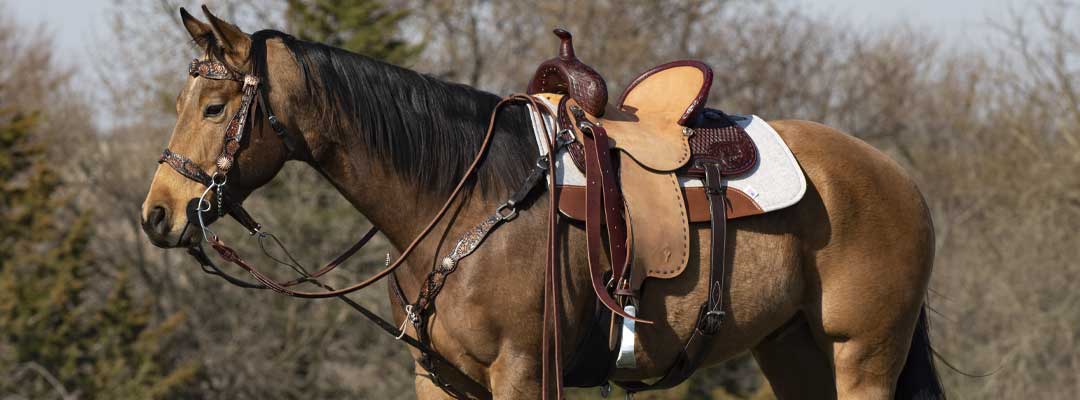
Purchasing a new saddle? Excitement, commence! Take a gander at these five helpful Q&As, answered by our friends, Circle Y, to help you in this process.
- Are there different kinds of Western saddles?
- How should riders sit on, or in, the saddle?
- Which saddle seat size is preferred by riders?
- How much can Western saddles weigh?
- Which saddle tree size will best fit my horse?
There are many different types of Western saddles to suit your specific discipline, including saddles made for trail riding, barrel racing, roping, and showing. Learn about the different types of Western saddles produced and the differences in each.
A saddle with a 4 ½” or 5” cantle provides a deep, secure seat. A saddle with a 2 ½”, 3”, 3 ½” cantle will feel more open to the rider.
Seat size for the rider definitely varies on personal preference and discipline, with seat sizes ranging from 10” (kids) to 18” and half sizes also available. In general, for seat size, you should allow for four inches between the front of your body when you're sitting comfortably and the swell of the saddle. For speed events and roping, a tighter fit is preferred. For trail riding, sizing a half size up is usually preferred rather than snug.
Western saddles can range in weight from 20 to 50 pounds, so depending on rider preference and strength, this aspect can be important when purchasing a new Western saddle.
Professional saddle fitters are available in the industry to study your horse for a sure fit; however, here are some general guidelines to help you in making this decision.
- Horses with a narrow, defined wither are best suited for a Medium tree
- Horses with a wide, with slightly defined, wither are best suited for a Wide tree
- Horses that are Mutton withered, with a big shoulder, should best fit a Foundation wide
- Horses with a really wide back and wither are best suited for an Extra wide
See a wide selection of saddles and tack available.
Additional resources:
All photos courtesy of Valley Vet.
There are more informative articles in our section on Tack & Farm. While you're here, take a look at our Curated Amazon Store.
Are you interested in promoting your business or sharing content on EIE? Contact us at info@equineinfoexchange.com
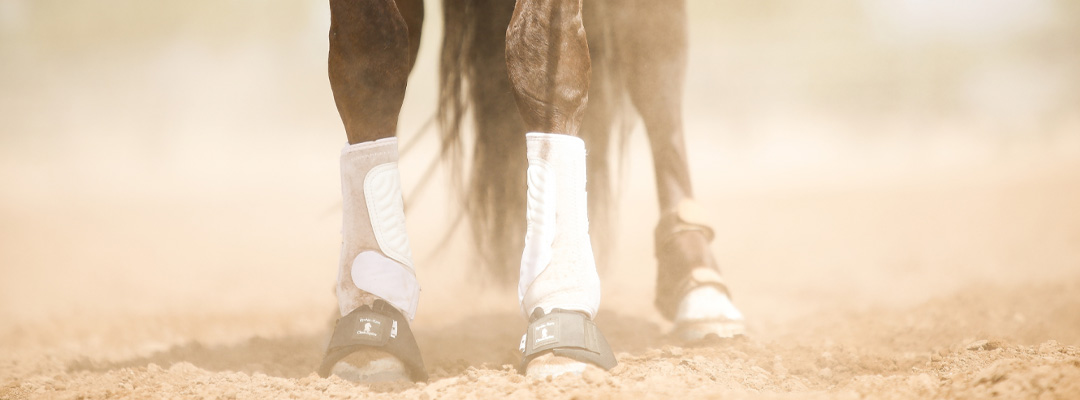
Classic Equine removes the guesswork from leg protection, so you can spend more time riding and enjoying a healthy, happy horse. Provided by Equibrand
Horses are designed to move. That's something all horse owners understand (sometimes a little too well). In the wild, they rely on their legs to make quick, powerful movements to get to safety quickly. When you're riding them, they move similarly, but often we ask them to do those same movements more precisely and intensely (especially when they're training for intense rodeos, races, and shows). The quick turns, sliding stops, and the power needed to move out to a dead run can put a lot of stress on their legs if you're not careful.
That's where leg protection comes in.
Leg protection should be one of the first things you consider before swinging a leg over your equine partner. At Classic Equine, we understand that education is key to ensuring long-term health and success for you and your horse. Here are some ways our extensive line of boots can provide the ultimate protection for your horse.
Splint Bone Protection and Support
Horses have two splint bones on each leg, the medial and lateral, to support the cannon bone, stabilize the leg, attach ligaments and tendons, and help absorb impact during movement.
Boots known as ?splint boots? help protect from blows and crossfire injuries under saddle and support soft tissue structures of the lower limbs. Some boots are built primarily for protection, others for support, and some are designed to do both. Regardless of what you're looking for, Classic Equine's got your horse covered.
-
The only sling-style boot on the market with an outer strike pad for superior protection. Instead of being sewn on the inside of the boot, it is positioned on the outer part of the pad and protects the medical side of the cannon bone. Lightweight and flexible, it allows natural movement while providing support.
Quick and easy to put on, it's got an ergonomic design and bound edges to keep the dirt out.
-
Known for the original, patented Cradle Fetlock System, the iconic Legacy2 sports medicine boot provides both protection from crossfire injuries and support. It's the only boot on the market with an inner splint pad, with a neoprene ridge designed to fit between the cannon bone and supporting ligaments and soft tissue to help prevent the boot from turning.
The boot mimics the horse's natural anatomy, supporting the suspensory ligaments. This is Classic Equine's best-selling and most trusted product among professionals. With a tough, ballistic material that protects the fetlocks and hook and loops that securely keep everything in place, this boot is ready to be put to work.
-
An evolution of the innovative Legacy2 boot, now featuring individual abrasive-resistant cells on the cradle that supports the fetlock. These cells allow independent movement and stretching with each stride.
Like the original Legacy2, it incorporates the patented Cradle Fetlock System, offering protection and support. The separate abrasive-resistant cells enhance stretchability, which lets you get a tighter, more secure fit. It supports the fetlock without restricting movement and maintains a snug, clean fit to keep dirt out. This boot is very form-fitting, flexible, and a favorite across all Western disciplines.
-
This splint boot is specifically designed to keep your horse's legs cool while providing protection. Its perforated foam body draws heat away, and the durable, flexible mesh cover offers extra toughness where needed. Lightweight and simple to put on, it promotes airflow to prevent muscle fatigue from overheating.
The leather splint pad is paired with shock-absorbing nitrate lining for added protection. Ideal for young horses, beginners, or for light exercise.
-
ProTech Splint and Hind
Available in both front and hind versions, this hard-shell protective splint boot was the first on the market in 2006. The front pair features a hard-shell splint pad and tendon guards that are strategically positioned to protect the inner splint bone, fetlock, and surrounding soft tissues, while still allowing airflow through the soft jersey lining. The hind boots were designed as skid boots, with a hard-shell cup protecting the fetlock and extended protection up the leg.
Overreach Protection
When your horse gets to going fast or is still figuring out where his feet are, he risks his hind foot sticking the back of the front foot, called "overreach." Aside from the annoyance of pulling a shoe, this can cause serious injury to sensitive areas of his heel and pastern.
This is where bell boots come into play.
-
Classic Equine's #1 selling bell boot. If you've ever put a pair of these on, you know there is a small wedge inside the back of the boot. It's designed to fit into the natural indentation of the horse's pastern. This contoured shape keeps the boot in a place to protect the hoof, heels, coronet band, and surrounding structures through strenuous maneuvers.
Made from 2520 denier DynoHyde material, these boots are tough. The reinforced double hook-and-loop strap closures secure the boot in place for consistent protection. Also available with fleece lining for horses that need added protection from deep sand or have longer pasterns.
-
An evolution of the original DyNo Turn, this bell boot features added flexion material on the back, resulting in the most technologically advanced bell boot on the market. This added honeycomb protection provides impressive strike concussion protection. It still features the same dense, shock-absorbing center and a soft jersey lining as the original.
Healthy Legs=Happy Horse
Muscle fatigue often leads to injury, and excessive heat can quickly cause fatigue. Therefore, it's crucial to be aware of how long your horse's boots stay on, as they should only be used when necessary, not for the entire day.
After your ride, be sure to rinse your boots to wash away sweat, dirt, and grime. This simple step helps prolong their life and keeps them ready for your next ride. Once they are all dry, keep them organized in a Boot Accessory Tote.
Clean boots mean happier, healthier horses!
Whether for horse, livestock or pet, Valley Vet Supply is your one-stop shop for trusted care. Explore more of our Classic Equine products at ValleyVet.com.
All photos courtesy of Valley Vet.
There are more informative articles in our section on Tack & Farm. While you're here, take a look at our Curated Amazon Store.
Are you interested in promoting your business or sharing content on EIE? Contact us at info@equineinfoexchange.com
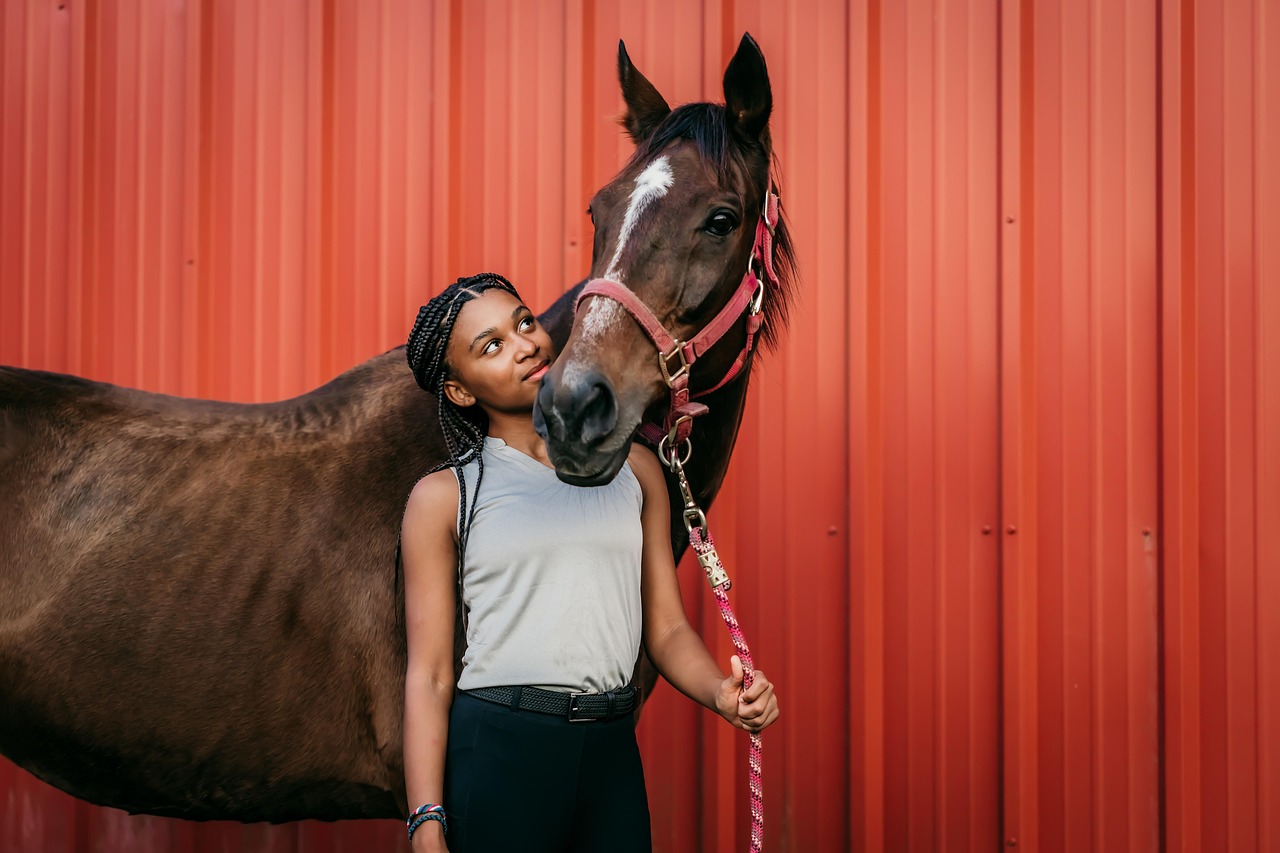
Relocating a horse to another boarding barn is a decision often driven by a combination of issues related to your horse's health and happiness, the quality of care provided, and your own riding goals and satisfaction.
Signs related to your horse's well-being
Your horse's behavior can be a major indicator that it is unhappy or unsafe.
- Deteriorating physical condition: Look for unexplained weight loss or gain, a dull coat, or visible injuries that happen repeatedly. While accidents can happen, a pattern of injuries could signal unsafe fencing, pasture dynamics, or management.
- Negative changes in demeanor: Your horse may become more anxious, skittish, or aggressive than it used to be. A constant look of worry or a change in temperament suggests something is making it uneasy.
- Reduced turnout: Horses need regular turnout for their mental and physical health. If your horse is getting less turnout than promised, or if the pastures are overcrowded, this can cause stress.
- Unhealthy environment: Unclean stalls or water troughs indicate poor stable management. Look for excessive manure buildup, algae in water buckets, or strong ammonia smells.
Problems with barn management and care
Issues with the barn's management can directly impact your horse's welfare and your peace of mind.
- Poor communication: A barn manager who is uncommunicative, ignores your requests, or belittles your concerns is a major red flag. This can put your horse at risk if an issue arises and you cannot get in touch with the management.
- Inadequate feeding program: Be concerned if the feed room is a mess, the quality of hay seems poor, or if the barn feeds a different, lower-quality feed to boarders' horses than their own.
- Refusing outside professionals: A barn that does not allow you to use your own vet or farrier should be approached with extreme caution, as it limits your control over your horse's health care.
- Dishonesty or failing to deliver services: If you are not getting services that you are paying for, such as scheduled training rides or lessons, this is dishonest and a clear sign to leave.
Changes in your own needs
Sometimes the problem isn't the barn, but a mismatch between what you want and what the barn offers.
- Stalled riding progress: If your lessons have become stagnant and you feel unfulfilled or unchallenged, it may be time to seek a trainer who can help you reach your new riding goals.
- Need for different amenities: Your needs might evolve, and you may find yourself wanting an indoor arena, more extensive trail access, or other amenities that your current barn lacks.
- Toxic barn atmosphere: Constant barn drama or a negative social environment can make your time at the barn stressful rather than enjoyable. You deserve to be in a place where you feel welcome and happy.
- Escalating costs: Your current barn may be raising their rates and become unaffordable for you. You may need to explore more economical options provided by other facilities such as self-care or moving to a location less costly. What to do before deciding
- Communicate your concerns: Before making a final decision, have a calm, objective conversation with the barn manager. Clearly state your issues and give them a chance to improve the situation.
- Check other options: While working things out, tour other barns to see what is available and whether a move would be a better fit.
The bottom line is to trust your gut. If something doesn't feel right, or if you or your horse are consistently unhappy, it is likely time to part ways and find a better environment.
You can find more informative articles in our section on Tack & Farm. Take a look at our Curated Amazon Store for our selections in a wide variety of categories!
Are you interested in promoting your business or sharing content on EIE? Contact us at info@equineinfoexchange.com

Equestrians know a steady mind keeps the stride honest. We obsess over feed, feet, and fitness, yet curiosity and calm cement the whole picture. Daily enrichment doesn’t need gadgets or drama; it requires intention and rhythm. Even outside equestrian circles, an igaming solution aggregator shows how intelligent curation helps people find what matters—practical inspiration for owners, sorting advice, tools, and routines for real horses. EIE readers value practical, trustworthy ideas built for everyday barn life.
Why Enrichment Belongs In Every Program
Horses evolved to roam, graze, and hang out with buddies for hours, which stalls and tight schedules often compromise. When needs slip, boredom or stress can surface as weaving, cribbing, or box-walking. Thoughtful enrichment nudges time budgets toward natural behavior, easing anxiety and sharpening focus under saddle. That doesn’t replace good turnout or forage; it layers on calm, curiosity, and choice.
What The Research Says (In Plain Barn English)
Reviews link stereotypic behaviors to suboptimal management, with foraging-focused tweaks showing promise. Slow-feed hay bags lengthen eating time and can reduce unwanted patterns. Simple puzzle feeders, mirrors, or activity balls shift stall time away from standing and into purposeful engagement. None is are cure-all, but used consistently, they help horses settle and learn. That’s the win.
Easy Daily Tweaks You’ll Actually Keep Doing
Grand plans fade; small habits stick. Anchor enrichment to chores you already do—hay, mucking, grooming—so it happens even on busy days. Rotate items weekly to keep novelty without reinventing the wheel. Pair compatible turnout buddies for quiet social time. Keep notes so the barn team sees what works and what flops for each horse.
Five Quick Ideas To Try This Week
- Swap one hay feeding for a slow net to stretch foraging time without extra cost.
- Add a treat-dispensing ball for short, supervised sessions, then rotate it out.
- Create a sniff-and-explore corner with safe textures and scents; refresh monthly.
- Set pole patterns that ask for look, think, step—not just “go round.”
- Test a stall mirror for anxious types; track behavior for two weeks.
Training Upside: Calm Horses Learn Faster
A settled horse hears lighter aids, travels more softly, and copes better off-property. By meeting mental needs first, you lower overall arousal, so show-day noise or new venues feel less threatening. That steadiness benefits amateurs and pros alike, from first crossrails to complex lateral work. You’re teaching a brain, not just a body; enrichment keeps the lights on.
Match Tools To Temperament And Job
Not every horse loves the same puzzle or pace. Start with low-effort foraging games, then layer challenges that fit the horse’s mind and discipline. Trail-minded horses may enjoy variety underfoot, while ring horses might benefit from thoughtful pole grids. Give each experiment two weeks and record changes in behavior, appetite, and work ethic.
Using Simple Tech To Keep Everyone On The Same Page
You don’t need fancy systems to stay organized, but digital logs reduce misses. Stable apps and software track health notes, shoeing, vaccines, ride plans, and enrichment rotations, so nothing lives only in someone’s head. That clarity helps trainers, vets, and grooms pull in the same direction, quietly improving welfare and results.
Turn Data Into Kind, Consistent Routines
Give each horse a card—digital or paper—with a rotating plan: slow net on Monday, ball on Wednesday, poles on Friday. Snap quick photos or jot two-line notes after rides. Over time, you’ll spot patterns: which toy soothes pre-ride jitters, which days need extra hand-grazing: less guesswork, fewer flare-ups, more good work.
Curate Your Sources Like A Pro
EIE thrives by surfacing practical, credible equine content for a broad audience, and that mindset helps in the barn. Make a short list of trusted guides—veterinary-backed explainers on enrichment, welfare pages from national organizations, and hands-on DIY pieces. Review monthly, then trial one new idea with notes before scaling. Keep it real; keep it horse-first.
Choosing Products With Horse Sense
Flashy isn’t the point; safe and durable is. Favor gear that extends foraging, encourages gentle movement, or sparks controlled curiosity. Read product pages with a skeptical eye for claims and look for references to time budget changes or reduced stall vices. The best tools fit your space, your routine, and your horse’s personality.
A Quick Note On Organized Catalogs And Discovery
Well-structured directories outside our industry remind us why clean taxonomy matters. Clear categories and labeling help owners quickly find welfare-first ideas, rather than doom-scrolling. Even a directory of casino game developers demonstrates how indexing speeds discovery—a concept equine communities can borrow for training plans, enrichment libraries, and barn SOPs without losing the horse in the process.
Bottom Line: Curiosity Today, Confidence Tomorrow
Enrichment is not superfluous; it is part of good riding. Make minor, consistent adjustments to attendance and feed, matching them to temperament, and record your observations. Use simple tech for consistency, keep your sources tight, and celebrate tiny wins. A curious horse becomes a confident partner—and that confidence shows in every hoofbeat.
There are more interesting articles in our section on Tack & Farm.
- Tackling Trailer Safety
- 5 Smart Features to Look for in a Turnout Blanket This Fall
- Five Careers in the Equine Industry
- Five Tips About Pigeon Fever
- Beating Summer Heat with Your Horse
- Five Tips for Preventing Heat Stress in Horses
- Five Tips for Protecting Your Horse From Flies and Mosquitoes
- Five Tips for Purchasing a Used Saddle
- Five Tips to Choose the Right Tractor for a Small Horse Property
- 7 Ways to Improve Your Horse's Performance with the Right Equipment