





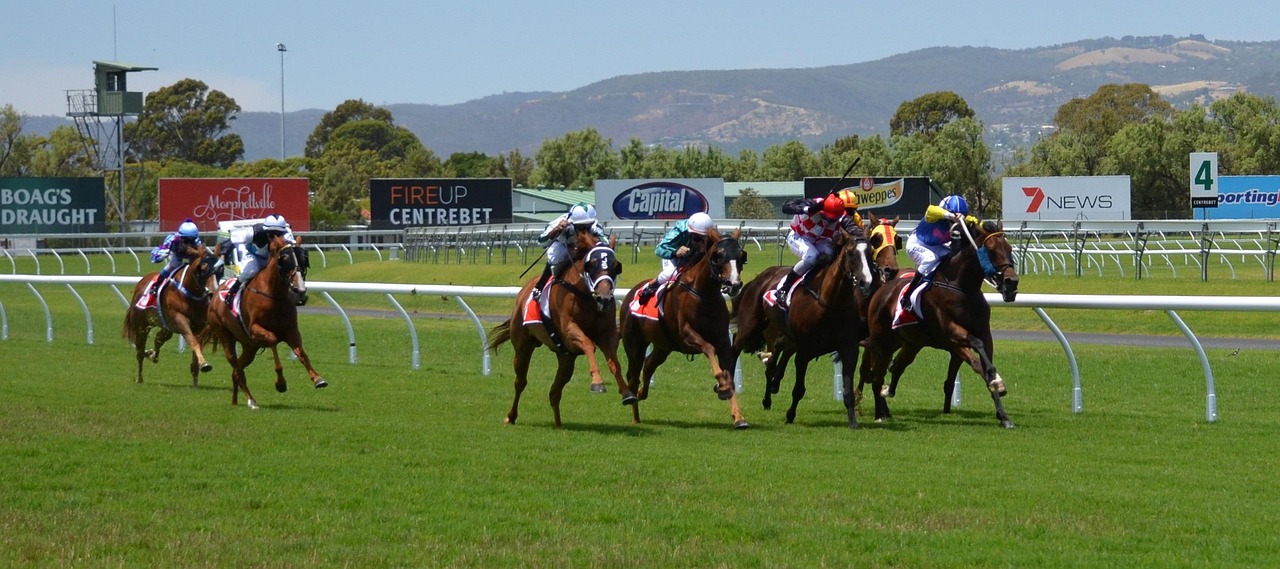
Horse racing rewards people who pay attention, not just to the horses, but to the signals around them. The colours in the mounting yard, the way a runner warms up, the track conditions underfoot, and, crucially, the better market.
For many punters, the market is just a place to find a prize, but for others, it’s a source of insight that can help make better betting decisions.
What the Odds Are Telling You
Odds are often treated as simple maths in a risk versus reward equation. But in racing, they carry far more nuance. Each price reflects collective opinion, built from form analysis, betting patterns, and shifting confidence as race time approaches.
A short-priced favourite usually signals trust. That trust might come from consistent recent runs, a strong trainer-jockey combination, or simply favourable conditions. Longer odds don’t necessarily mean a horse can’t win, though. Sometimes they point to uncertainty, limited exposure, or a runner that hasn’t yet caught the public’s eye.
The key point is remembering that odds aren’t fixed truths. They are opinions, and opinions can change!
Paying Attention to Market Movements
One of the most revealing aspects of betting markets is movement. Watching how prices change throughout the day can offer clues that form guides alone don’t provide. A horse that firms steadily often attracts quiet confidence, but if there’s a sudden drift (especially late), it can hint that doubts are creeping in.
This doesn’t mean every price movement has some hidden meaning, though. Sometimes markets react to hype or media attention rather than solid information. Still, repeated patterns tend to stand out over time, and learning to notice those patterns will help separate noise from something actually worth considering.
Use Form as a Filter
Form guides are important, but they can also be misleading when they’re taken at face value. A last-start win doesn’t always tell the full story, just as a poor finish might hide a run full of promise. This is where odds become a useful tool as a secondary filter.
When your form assessment lines up with the market, it usually reinforces your thinking. When it doesn’t, things get interesting. Disagreements between your view and the odds invite closer inspection, and sometimes the market has spotted something you might have missed. Other times, it hasn’t. And that tension is where smarter decisions tend to form.
How Technology Has Changed the Way We Bet
Modern betting has removed a lot of guesswork. Real-time updates, live markets, and easy access to TAB racing odds mean punters can track shifts instantly rather than relying on static prices printed hours earlier.
This has encouraged more deliberate betting. Instead of locking in early and walking away, many people now wait, watch, and react accordingly. The ability to compare prices across meetings and monitor late movement has turned market awareness into a basic skill rather than an optional extra.
Why Value Matters More Than Winners
One of the hardest lessons in racing is letting go of the idea that success comes from picking the most winners. In reality, long-term success comes from backing horses at prices that slightly underestimate their chances.
This is where reading the market properly pays off. A horse priced generously compared to its genuine prospects offers value, even if it doesn’t win every time. Over dozens of bets, that approach tends to hold up far better than chasing favourites and hoping nothing goes wrong. It takes patience and discipline to do this, but it also takes the pressure off, as you’re no longer trying to be right every race.
Keeping Things Fun
All of the above takes some learning, but horse racing should never feel like homework. The market is there to inform, not intimidate, and as you grow more comfortable with reading odds and spotting patterns, things become more fun than complicated.
Each race will also start to feel like a conversation between form, opinion, and timing. Sometimes you agree with the market, sometimes you don’t. Either way, understanding what’s happening beneath the surface adds depth to the experience.
And remember, reading the market won’t guarantee winners. Nothing does. But it will help you with clearer thinking, better context, and a stronger sense of why you’re backing a horse in the first place.
There are more interesting articles in our section on Racing & Wagering.