



Recreation & Lifestyle
Welcome to Recreation & Lifestyle, which includes leisure riding and other aspects of the equestrian lifestyle for you and your horse loving friends and family.
Looking for the perfect present? See the Gifts & Jewelry section. Redecorating? Find a Painting, Photograph or Sculpture in the Artwork section. Need to check out a movie or crawl up with a good book or magazine? See our Entertainment section where you will find and Books, Movies, Games, and Magazines. And don't forget about Fine Art in some specialty Museums that might surprise you.
Looking for love or a trail buddy? Riding Partners is the spot to seek other riders who share your passion. Find a place to ride with that special person in our Trail Riding section and if you need more time away, take a look at Vacations. Want to know about the next horse show or special event? Don’t miss it! Dates and locations are included in the Calendar of Events for Recreation & Lifestyle.
Do we need to add more? Please use the useful feedback link and let us know!
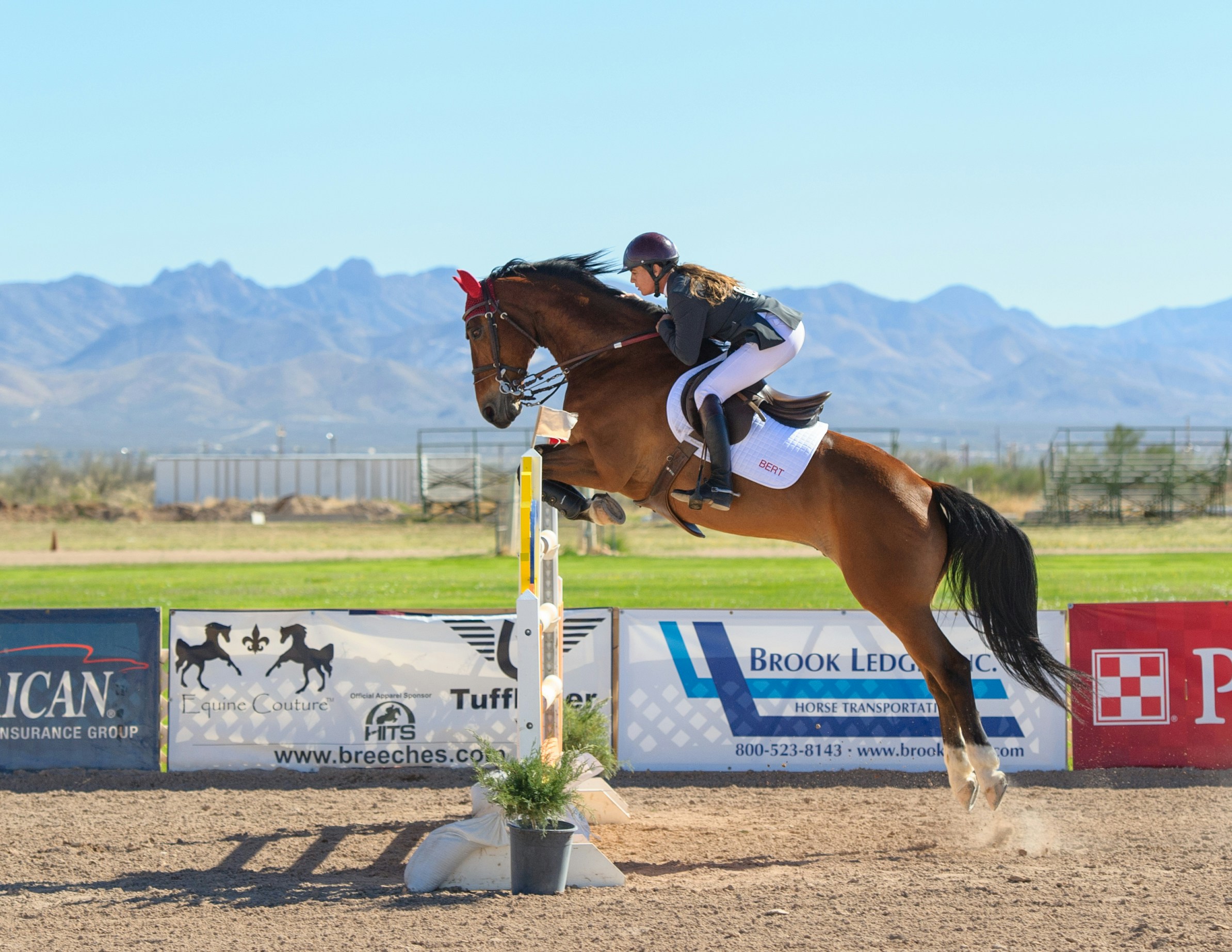
The Kentucky Horse Park hosts three distinct equestrian events during the same week: the USPC Festival, BreyerFest, and Pony Finals.
Held every other year, the USPC Festival is home to the USPC Championships and educational opportunities. It frequently coexists with BreyerFest, an annual celebration honouring the real horses who inspire Breyer's model horses and the model horses themselves. Concurrently, the USEF Pony Finals are a renowned event for equitation riders and pony hunters, allowing Pony Club members, Breyer aficionados, and top pony riders to meet and mingle.
Let's look at how these equestrian events and celebrations align with our research from Gambling.com.
The USPC Festival Championships
Lexington, Kentucky's Kentucky Horse Park, hosts the USPC Festival once every two years, which lasts a whole week. The public is invited to attend as spectators, and over three thousand Pony Club members, volunteers, and their families participate.
The two main components of the USPC Festival are the Championships and the Education portion. Part one of the week is devoted to the National Championships, and part two is dedicated to clinics and seminars led by equine industry experts, Pony Club experts, and Olympians, both mounted and unmounted.
Guests and participants alike can browse the wares at the USPC Festival trade show, participate in or observe the mock foxhunt, and enjoy any and all Pony Club events happening throughout the week.
USPC Festival Championships
Pony Club takes great pride in hosting championships for eight competitive disciplines every other year and opening Gymkhana and Trail events. These events at the Kentucky Horse Park offer members from all 41 regions the opportunity to compete on scrambling teams or in regional events. Competitors show off their Horse Management and riding prowess across all disciplines nationally.
Members learn teamwork, respect for others, communication skills, and sportsmanship while competing. Making new friends, accomplishing old ones, and winning trophies are all part of the fun during festival championships. Everyone can find something they like at the Festival Championships, which feature up to ten different disciplines spread out over multiple days.
USEF Pony Finals
In case you haven't heard, the Pony Finals occur every August at the Kentucky Horse Park and attract hundreds of tiny, medium, and giant horses. Hundreds of young riders, accompanied by their families and trainers, will ride the horses. The Rolex Stadium is the site of the famous Pony Hunter World Championships, which consist of three stages: model, under saddle, and over fences.
This is a one-of-a-kind event that attracts riders and ponies from across North America. During the week, there will be seminars, parties, a golf cart procession, and a sea of cute pony faces. Pony hunters are the pinnacle of the children's show season for many who compete in nationally graded events.
Ponies can earn a spot in the Pony Finals by claiming first, second, or third place in a pony hunter division at a national or premier-rated show between July 1 and June 30 of the current year. This includes green ponies, who must win two reserve championships. Achieving this aim is within the reach of many pony hunters competing on the rated circuit. Theoretically, a pony can earn a spot in the national finals by qualifying at just one event.
BreyerFest
At BreyerFest, you can see the real horses that inspired Breyer's models and the models themselves… You will never see anything like this at a festival or horse show!
Thanks to this innovative hybrid format, fans from all over the globe may now enjoy the thrill of equine entertainment and meet their favourite Guest Horse at BreyerFest! In addition to learning more about the model horse hobby, admirers can view breathtaking pieces of model horse art and connect with other Breyer enthusiasts from all around the globe who share their motivational tales.
Along with fantastic models come the fantastic real horses that inspire some of these models. A remarkable assortment of horses from different breeds and disciplines, all of which have accomplished amazing things, are lined up and ready to meet the audience!
A Triple Threat of Equestrian Fun
Lexington is home to a thriving equestrian community that is enhanced by events like the USPC Festival, BreyerFest, and Pony Finals, with the Pony Club being an integral part of these festivals, serving both instructors and judges.
Because it hosts all three of these events, the Kentucky Horse Park becomes a summertime mecca for equestrian pursuits. Together, they bring all kinds of horse lovers, from little Pony Club members to collectors and admirers of Breyer horses, creating an ideal setting for equestrian events.
There are more interesting articles in our section on Recreation & Lifestyle.
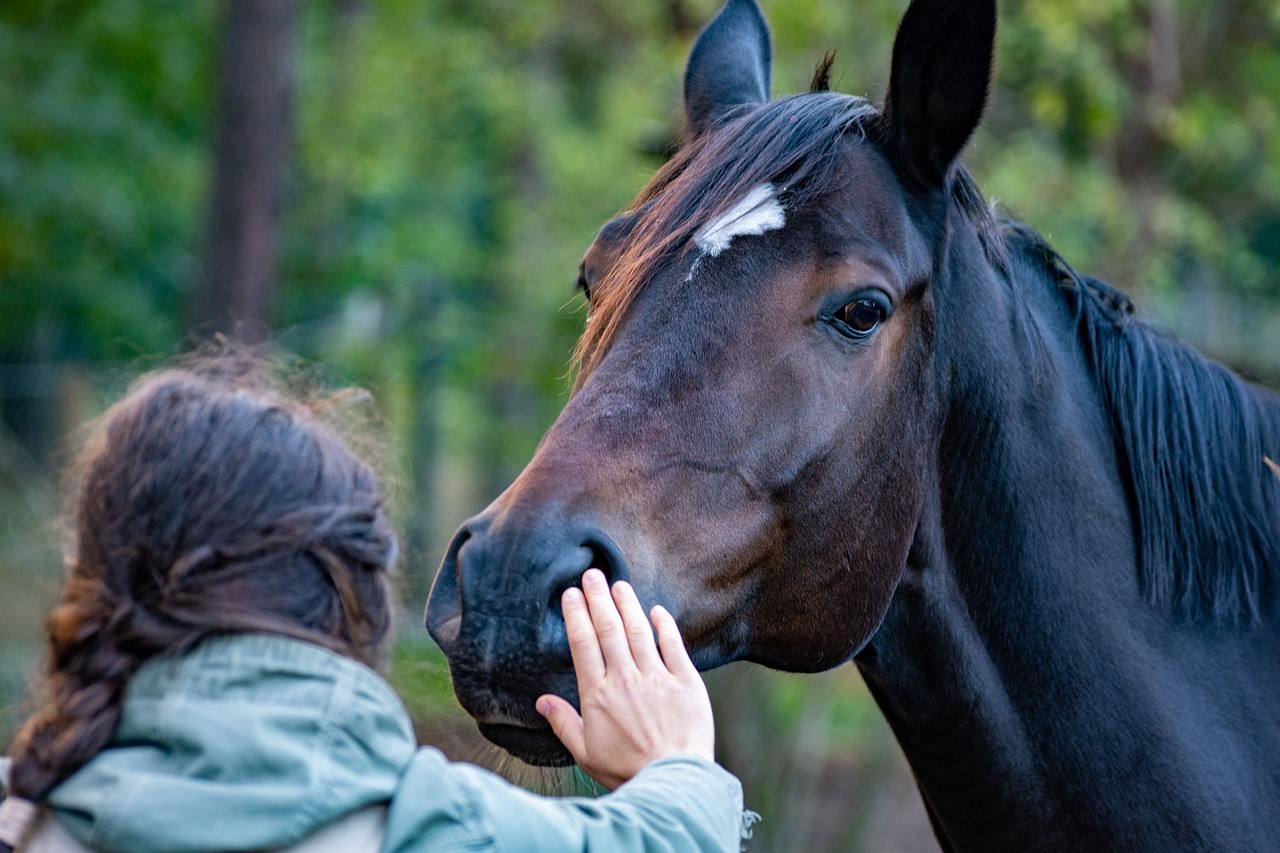
Of course, horse lovers know how special a bond is with a horse and it's wonderful that you want to share your passion for horses with your friends! The key is to make it a positive, low-pressure, and fun experience. Here are some ways to encourage friends to like horses.
Start with Low-Pressure, Ground-Based Activities
- Barn Tour and Meet & Greet: Offer to give them a tour of your barn. Introduce them to your horse (if your horse is calm and friendly with strangers). Emphasize safety: how to approach, where to stand, and what signs to look for in horse body language.
- Grooming Session: This is a fantastic way to bond with a horse without the intimidation of riding. Let your friends try brushing, currying, and even picking hooves (with close supervision). Explain why you're doing each step (e.g., "we brush to get the dirt out and check for scrapes"). Horses often love being groomed, and it can be a very relaxing and interactive experience.
- Hand-Grazing/Treats: If your horse is gentle and accustomed to treats, let your friends offer some healthy horse snacks (like carrots or apples, cut into safe pieces). This creates a positive association and allows for close, gentle interaction.
- Just Hanging Out: Sometimes, just sitting quietly with a horse in their stall or a safe paddock can be incredibly calming and insightful. Your friends can observe the horse's natural behavior and see their personality emerge.
- Learning Horse Anatomy/Markings: Make it a fun "quiz" or scavenger hunt. "Can you find the pastern? What color is a bay horse? What's a blaze?"
Focus on the Horse's Personality and Uniqueness
- Share Stories: Tell them funny anecdotes or touching moments you've had with your horse. Horses have distinct personalities, and sharing these stories can make them relatable.
- Highlight Their Intelligence: Show them any tricks your horse knows, or explain how horses learn and solve problems.
- Emphasize the Bond: Talk about the unique connection you have with your horse and how it's built on trust and communication. This can make the idea of horses more appealing than just "riding."
Gentle Introduction to Riding (if they're interested)
- First, a Lead-Line Ride: If they express interest in riding, start with a very short, supervised lead-line walk. This allows them to experience being on a horse's back without having to steer or control.
- Walk-Only Lesson: A private lesson focused purely on walking and getting comfortable in the saddle, perhaps with someone leading the horse, can be much less intimidating than a group lesson.
- Comfort and Safety First: Ensure they have appropriate footwear (closed-toe shoes with a small heel) and a properly fitted helmet. Reassure them that it's okay to be nervous and that you'll go at their pace.
- Avoid Pressure: If they don't want to ride, don't push it. There are many ways to enjoy horses without ever getting in the saddle.
Make it a Social Event
- Barn Day with Food: Plan a "barn day" where you groom, hang out, and then have a picnic or order pizza at the barn. This makes it a social outing rather than just a "horse activity."
- Attend an Event Together (Spectator): Go to a local horse show, rodeo, or equine fair as spectators. This allows them to see horses in action without any pressure to participate. Explain what's happening and answer their questions.
- Watch Horse Movies/Documentaries: Suggest watching a horse-themed movie or documentary together. This can spark interest and provide a visual introduction to the equine world.
Educate and Demystify
- Debunk Myths: Address any misconceptions they might have about horses (e.g., "they're just dumb animals," "they're always dangerous"). Explain that horses are sensitive, intelligent, and social creatures.
- Explain Horse Care: Briefly describe the work and dedication involved in horse ownership, but focus on the rewarding aspects.
- Answer Questions Patiently: Be open to all their questions, even if they seem basic. A non-judgmental attitude is key.
Things to Avoid
- Don't Force It: If they're clearly not interested, don't badger them. Everyone has different interests.
- Don't Overwhelm Them: Introduce things gradually. Don't throw them into a full tacking-up routine and a canter lesson on day one.
- Don't Scare Them: Always prioritize safety. Don't put them with a "nasty" or overly excitable horse. Choose your calmest, most tolerant equine friend for introductions.
- Don't Make it a Chore: Keep it light, fun, and about enjoying the animal.
The goal is to create positive experiences that show the true nature and joy of being around horses, rather than just the stereotype of riding. Good luck and have fun!
You can find more informative articles in our section on Recreation & Lifestyle. While you're here visit our Curated Amazon Store!.
By the EIE Editorial Staff
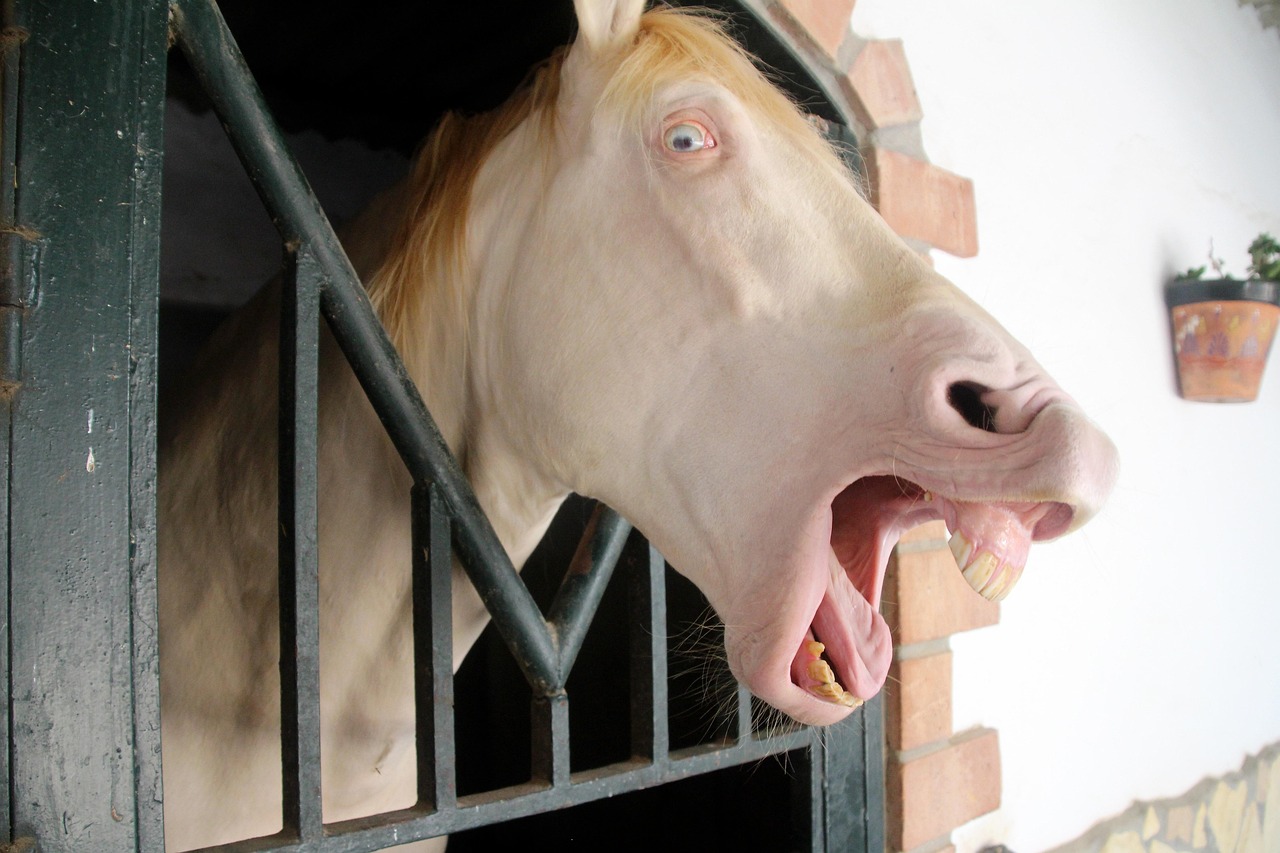
Safety is always first when being around horses and understanding horse body language is crucial for positive interactions. Horses communicate constantly through their ears, eyes, nostrils, mouth, head position, tail, and overall body posture.
Here's how to distinguish a friendly horse from one that might be feeling "nasty" (which is often a sign of fear, pain, or discomfort rather than true malice).
Signs of a Friendly, Relaxed, or Content Horse
- Ears
- Forward and relaxed: Indicates curiosity, interest, and attentiveness.
- Loosely flopped to the side: Signifies relaxation, contentment, or even dozing.
- Eyes
- Soft and kind: Eyes are relaxed, not wide or tense. You generally won't see much, if any, white around the eyes (unless it's a breed like an Appaloosa that naturally shows sclera).
- Slightly hooded or half-closed: A sign of deep relaxation or even sleep.
- Mouth and Muzzle
- Relaxed, soft lips: The lower lip might even be slightly droopy.
- Chewing/licking: Often seen when a horse is processing information, relaxing, or thinking.
- Gentle nudging or sniffing: A curious and friendly gesture, especially towards your hand or pockets if they suspect treats.
- Blowing soft air: Horses blow air through their nostrils as a greeting or sign of affection.
- Head and Neck
- Head held level or slightly lowered: Indicates calmness and relaxation.
- Nuzzling or resting head on you: A strong sign of trust and affection.
- Body Posture
- Relaxed stance: Weight evenly distributed, or one hind leg might be cocked and resting.
- Loose, swaying tail: A relaxed tail, gently swishing to ward off flies, indicates comfort.
- Approaching you calmly: If a horse walks up to you in the pasture, it's a good sign they're interested in interacting.
- Nickering or soft whinnying: A low, rumbling sound often used as a greeting or to express contentment.
- Grooming you back: If a horse gently nibbles or grooms your arm or shoulder, they are treating you like a herd mate.
Signs of a "Nasty" (Aggressive, Uncomfortable, or Fearful) Horse
It's important to remember that aggression in horses usually stems from feeling threatened, in pain, or from learned behaviors.
- Ears
- Pinned flat back against the head: This is a strong warning sign of anger, fear, or irritation and often precedes a bite or kick.
- Rapidly flicking back and forth: Can indicate anxiety, stress, or high alert.
- Eyes
- Wide and tense: Showing the whites of the eyes (sclera) is a classic sign of fear, alarm, or distress.
- Hard stare: A direct, unblinking stare can be a challenge or a threat.
- Wrinkles above the eye: Triangular wrinkles above the eye often indicate concern or discomfort.
- Mouth and Muzzle
- Tight, pursed lips: Indicates tension, stress, or pain.
- Wrinkled nostrils or curled-up muzzle: Sign of annoyance or disgust.
- Bared teeth: A clear threat to bite.
- Snapping or rapid teeth clacking (not chewing): This is different from a young horse "mouthing" to show submission; it's a warning.
- Head and Neck
- Head held high and rigid: Indicates alertness, fear, or agitation.
- Head tossing or shaking violently: Can be a sign of frustration, pain, or telling you to back off.
- "Snaking" (lowered head, waving side to side): A dominant or aggressive display.
- Body Posture
- Tense, rigid body: Muscles are visibly tight.
- Stomping a foot: Can indicate impatience, irritation, or an attempt to dislodge flies, but if combined with other aggressive signs, it's a warning.
- Pawing the ground aggressively: Can be a sign of impatience or frustration, especially if done repeatedly.
- Tail clamped tight against the body: Indicates fear or submission.
- Violent tail swishing or wringing: Often a sign of irritation, frustration, or anger.
- Turning hindquarters towards you: A horse that intentionally turns its rear towards you is often preparing to kick.
- Lifting a hind leg with a pointed hoof: A clear warning to kick.
- Charging or rushing: A direct aggressive action.
- Rearing or striking (lifting front legs): Can be a defensive or dominant action, extremely dangerous.
- Crowding or pushing: Invading your personal space with their body in a dominant way.
Important Considerations
- Context is Key: Always consider the situation. A tail swish could be just flies, or it could be anger, depending on other body language cues.
- Pain or Discomfort: Many "nasty" behaviors are actually signs that a horse is in pain or discomfort. If a horse suddenly becomes aggressive, it's wise to have them checked by a veterinarian.
- Fear: Horses are prey animals, and their primary instinct is to flee. Aggression often arises when they feel trapped or unable to escape a perceived threat.
- Learned Behavior: Sometimes horses learn that aggressive behaviors get them what they want (e.g., biting to get you to leave them alone). These behaviors need consistent and correct handling.
- Some horses have "resting grumpy face": Just like people, some horses might naturally have an expression that looks less than thrilled, but their overall demeanor and actions will tell you if they are truly friendly. Pay attention to how they interact with you, not just a fleeting expression.
By observing these subtle and overt signs, you can better understand your horse's mood and respond appropriately, fostering a safe and respectful relationship. When in doubt, always err on the side of caution and give the horse space.
You can find more interesting stories in our section on Recreation & Lifestyle.
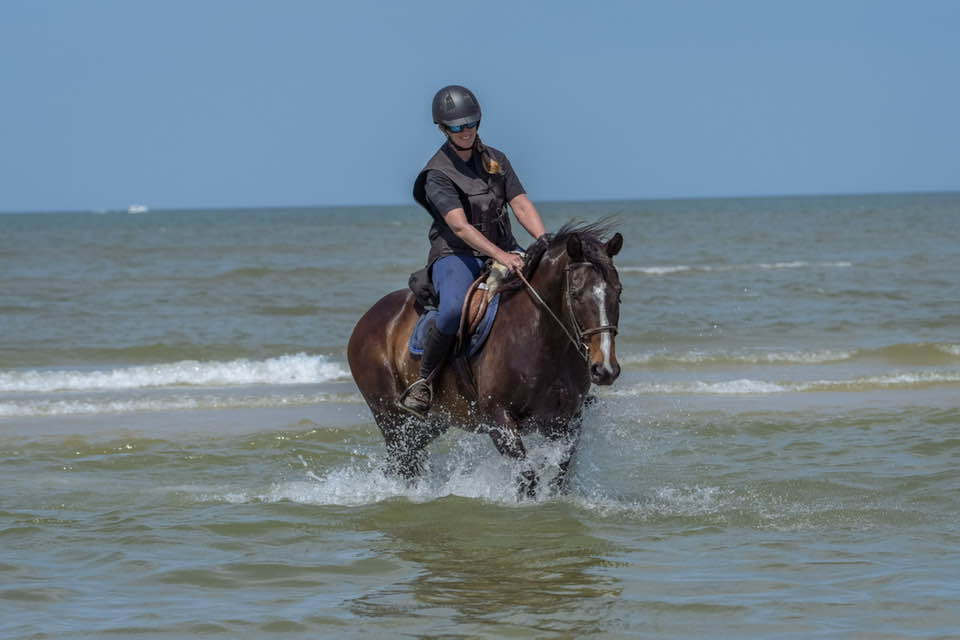
We love summer and it's a favorite season for many, especially school kids. It is also a fantastic time to enjoy your horse! Here are some fun activities and important care tips to make the most of the warmer months:
Fun Activities to Do with Your Horse in Summer
- Trail Riding Adventures: Explore new trails, scenic routes, or even old favorites. Summer offers ideal weather for long, leisurely trail rides. Pack a picnic to enjoy with your horse!
- Swimming with Your Horse: If you have access to a safe and horse-friendly beach, lake, or pond, swimming is an excellent way to cool off and have fun. It's a great full-body workout for your horse and a unique bonding experience.
- "Spa Day" at the Barn: Treat your horse to a luxurious bath with equine-specific shampoos and conditioners. Give them a thorough grooming, maybe even try some fun braiding. You can even team up with barn friends for a group spa day!
- Play Day Games: Organize a gymkhana or "play day" at your barn. Fun, low-key games like egg-and-spoon races, barrel racing (at a slower pace), or relay races can be a blast for riders of all skill levels.
- Obstacle Course Fun: Set up an in-hand or ridden obstacle course. This can be as simple or complex as you like, using poles, cones, tarps, or even natural elements. It's a great way to build your horse's confidence and problem-solving skills.
- Photoshoot: Capture some beautiful summer memories with your horse. The golden hours of sunrise or sunset offer the best lighting. You can hire a professional equestrian photographer or just have a friend snap some candid shots.
- Horsey Holiday/Weekend Getaway: If you're feeling adventurous, consider a weekend trip with your horse to a new trail system, equestrian campground, or even a horse-friendly beach destination.
- Groundwork and Liberty Play: Summer is a great time to focus on groundwork exercises that build trust and communication. Try liberty work where your horse responds to your cues without a lead line.
- DIY Horse Popsicles: Make healthy and refreshing treats for your horse using fruits, vegetables, and maybe even a little electrolyte powder. These are great for cooling down after a ride or as a boredom buster in the stall.
- Learn Something New: Take a lesson with a new trainer, try a different discipline (like side-saddle if you're feeling elegant!), or delve into horse anatomy and care with a scavenger hunt around the barn.
Important Summer Horse Care Tips
Keeping your horse comfortable and healthy in the summer heat is crucial.
- Hydration is Key:
- Always provide fresh, clean, cool water. Horses can drink 10-15 gallons (38-57 liters) or more daily in hot weather.
- Change water frequently, especially in buckets that can heat up quickly in the sun.
- Consider adding a salt block or electrolyte supplement to encourage drinking and replace lost minerals from sweating. If using electrolytes in water, always offer a second bucket of plain water as well.
- Provide Ample Shade: Ensure your horse has access to natural shade (trees) or man-made shelters (run-in sheds) in their pasture.
- Adjust Turnout and Exercise Schedules:
- Turn out horses during cooler hours, ideally overnight or in the early morning/late evening. Avoid turnout during the hottest part of the day (typically 10 AM to 4 PM).
- Limit strenuous exercise during peak heat and humidity. The "rule of 150" suggests avoiding riding if the air temperature (in Fahrenheit) plus the relative humidity equals or exceeds 150.
- If you must ride in the heat, keep workouts light and include frequent breaks.
- Cool Down Properly: After a ride, hose your horse down with cool (not ice-cold) water, focusing on large muscle groups and areas with prominent blood vessels (head, neck, back, ribs, legs). Scrape off excess water to promote evaporation and cooling. Repeat until the water running off feels cool.
- Manage Flies and Insects: Use fly masks, fly sheets, and equine-safe fly repellents to protect your horse from irritating and potentially disease-carrying insects. Keep stables clean and pastures picked to reduce fly breeding grounds.
- Prevent Sunburn: Horses with pink skin (white markings on their face, muzzles, or legs) are susceptible to sunburn. Apply equine-safe sunscreen to sensitive areas or use UV-protective fly masks.
- Ensure Good Ventilation: In stables, use fans to promote airflow. Make sure fans are placed safely, out of reach of curious horses.
- Monitor for Heat Stress: Know the signs of heat exhaustion and heatstroke in horses:
- Excessive sweating or no sweating at all (anhidrosis)
- Rapid breathing or pulse
- Lethargy, depression, or stumbling
- Elevated body temperature (above 102.5°F or 39.2°C)
- Dark, tacky gums
- Slow capillary refill time If you suspect your horse is suffering from heat stress or stroke, immediately move them to a cool, shaded area, hose them down with cool water, and call your veterinarian.
By combining fun activities with vigilant summer care, you and your horse can have a safe and enjoyable summer together!
Photo courtesy of Celestial Photography.
You can find more informative articles in our section on Recreation & Lifestyle. While you're here, visit our Curated Amazon Store.
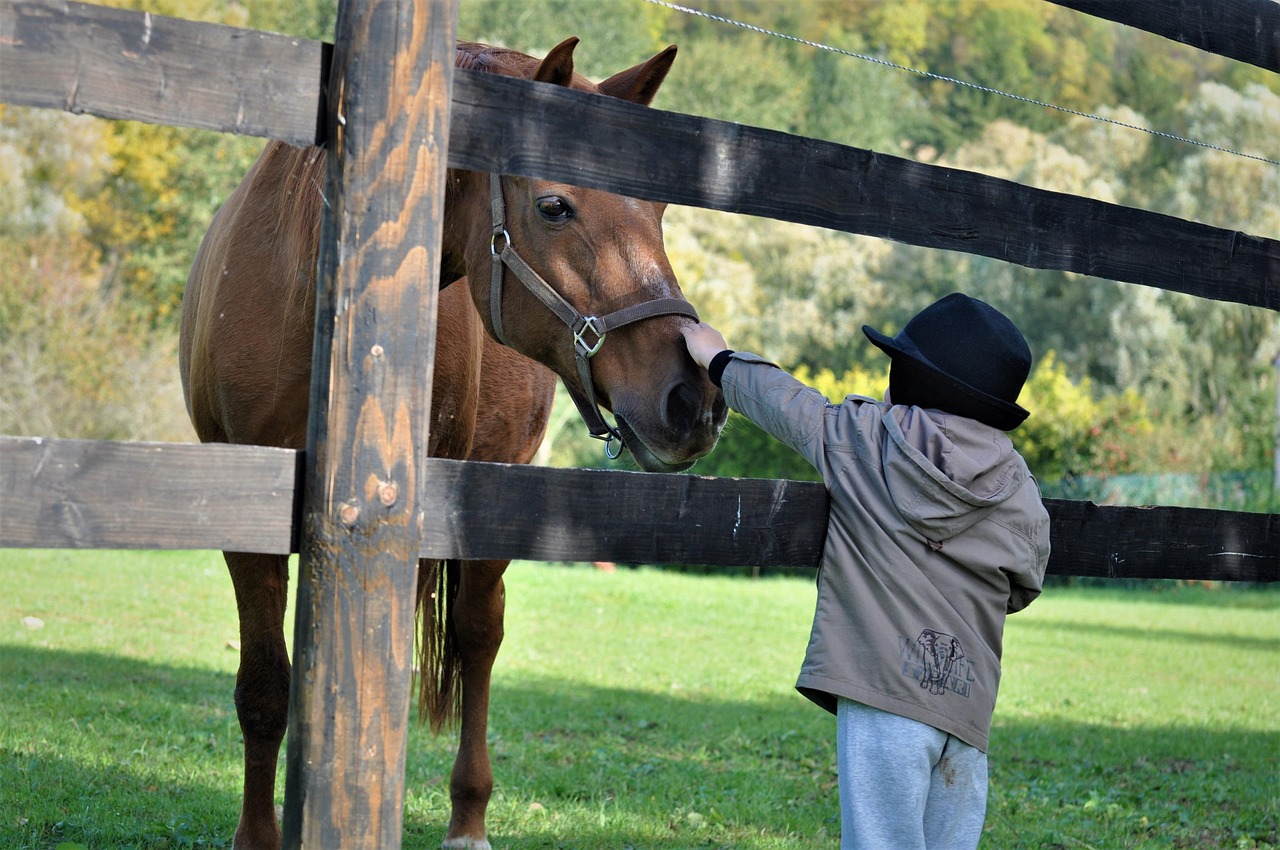
When we think of horses, people may have different views of these beautiful animals. Horses hold a profound and multifaceted significance for people, impacting nearly every aspect of human civilization throughout history and continuing to do so today. This relationship has evolved from one of predator and prey to a deep partnership built on mutual reliance and, for many, an emotional bond.
1. Historical and Cultural Significance:
- Transportation and Travel: Before mechanized transport, horses were the fastest and most efficient means of travel. They facilitated migration, trade, and communication, allowing languages and cultures to spread across vast distances. The Pony Express is a classic example of their role in early mail delivery.
- Labor and Agriculture: Horses were indispensable for heavy labor, from plowing fields and hauling goods to logging forests and building roads. They amplified human strength, making large-scale agriculture and construction possible.
- Warfare: For millennia, horses were a critical component of military power. Cavalry units, with their speed and impact, were often decisive in battles, enabling the rise of vast empires. Even today, some specialized units still use horses for specific reconnaissance or patrol missions.
- Economic Impact: The horse industry has always been significant, from breeding and training to providing goods and services related to their care and use. Even today, it contributes billions to national economies and supports millions of jobs.
- Status and Symbolism: Horses have long been associated with power, wealth, nobility, and freedom. They are frequently depicted in art, literature, and mythology as symbols of strength, beauty, and grace.
- Sport and Entertainment: From ancient chariot races and equestrian events in the Olympics to modern-day racing, polo, rodeos, and various competitive disciplines, horses have been a source of entertainment and a testament to athleticism for centuries.
2. Psychological and Emotional Impact:
- Companionship and Connection: Many people form deep emotional bonds with horses. Their sensitive nature and ability to respond to human emotions create a unique connection that can be incredibly therapeutic.
- Mental and Emotional Well-being:
- Therapeutic Benefits: Equine-assisted therapies are increasingly popular for treating a range of mental and emotional conditions, including depression, anxiety, PTSD, ADHD, and autism. Horses provide a non-judgmental space for individuals to explore their emotions, build trust, and develop social skills.
- Stress Reduction: Simply being around horses can reduce stress, lower heart rate and blood pressure, and increase "feel-good" endorphins. The routine of caring for a horse can be meditative.
- Confidence and Self-Esteem: Working with such large, powerful animals and successfully communicating with them can significantly boost confidence, self-worth, and a sense of accomplishment.
- Self-Awareness and Emotional Regulation: Horses are highly attuned to human body language and emotions, often reflecting a person's inner state. This immediate feedback helps individuals become more aware of their own feelings and learn to regulate them.
- Empathy and Communication: Interacting with horses requires empathy and clear communication, both verbal and non-verbal, which can translate into improved social skills in other areas of life.
- Physical Benefits: Riding and caring for horses provides physical exercise, improving strength, balance, coordination, and endurance.
In essence, horses represent a deep-rooted partnership with humanity. From enabling our early advancements and shaping our societies to providing companionship and fostering personal growth, their presence has woven itself into the very fabric of human existence.
You can find more informative articles in our section on Health & Education. Take a look at our Curated Amazon Store.
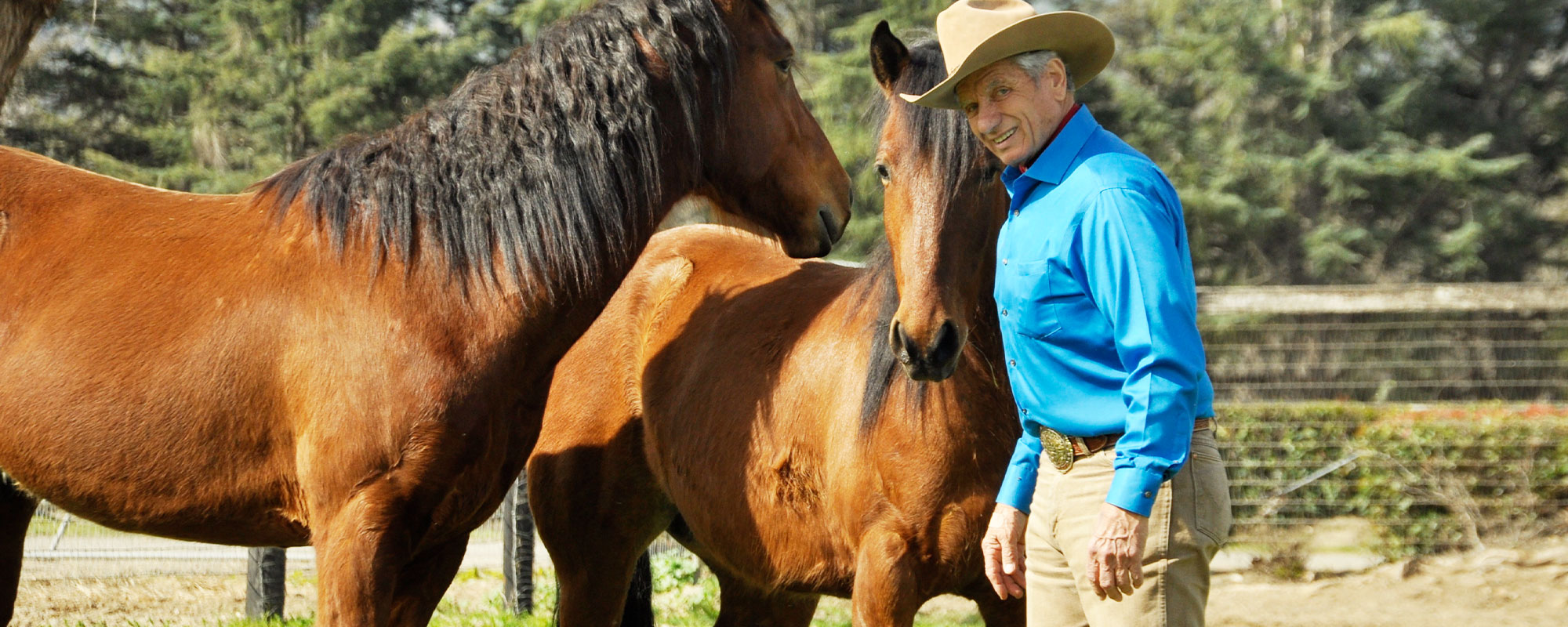
While it is true that I have trained some fantastic horses in my time, Johnny Tivio will remain my favorite for the balance of my days. Lomitas, a German Thoroughbred racehorse (European Champion), would sit solidly in second place. Johnny Tivio was an absolutely unbelievable performance horse that was responsible for four of my nine World Championships.
While I personally have affected the lives of more than 50,000 horses, it is natural for some of them to rise to a memorable status. Some because they were so talented and one might say GREAT, others might become memorable because they were so overwhelmingly challenging. Until recently, Blushing ET was my most challenging and Brown Prince, my most dangerous.
In the UK, Prince of Darkness was the most challenging, and in fact was the inventor of the Monty Roberts blanket, used by more than a 1,000 horses at any one time. This is a type of padding protecting the horses at the starting stalls in the racing industry globally. Prince of Darkness was a resident of Newmarket and went on to win races and become a sire.
It is only at this current moment that I am facing what is now the most challenging individual in my entire career. Her name is Kilbride and she believes that starting stalls are simply a place where humans take horses to be ground up for dog food. Kilbride is convinced that starting stalls were invented to thin out the horse population and a place to dispose of unfavored animals.
Prince of Darkness was a ten-day job, Blushing ET was the longest ever until Kilbride at 80 days. I am now on 375 days with Kilbride and I can easily anticipate another 100 to 150. Having said that it was just this morning that Kilbride reached the highest level of her journey to accept the starting stalls. If it were any other horse I would say she would race in a week or so, but she is Kilbride.
The important factor in the Kilbride story is that this mare has been a virtual genius in bringing me an education that will assist horses from this point forward. She has taught me lessons about the use of the starting stalls that I never dreamed existed. If accepted and utilized, her lessons will help young horses for the balance of our relationship with this species.
Note: The Horses in My Life is the book that described my story with many of the horses who most influenced me.
Sincerely,

This article originally appeared on MontyRoberts.com and is published here with permission.
There are more interesting articles in our section on Clinicians & Trainers.
While you're here, find some perfect items for your horse! Visit our curated Amazon Store.
- Horse Racing: The Thrill of the Track Meets the Party Vibes of Goodr Sunglasses
- Montauk Weekend Trail Guide - excerpt from Horses, Humans and Love by Tim Hayes
- 5 Racehorse Owners That Went All-In with Their Horse's Names
- 5 Tips For Getting Your Horse Show-Ready
- Ilka Gansera-Leveque Trainer, Mother, Vet, Curator
- For Patricia Meadow, A Life with Horses Was Both Destination and Journey
- Equine Affaire 2024
- Horse Lover Lady Gaga Gets Mixed Reviews. Are People Walking out of Joker: Folie à Deux?
- Discover Kentucky’s Best Horseback Riding Trails
- The Winners Circle Introduces $HRSE Token, Promotes Digital Currencies for Horse Racing